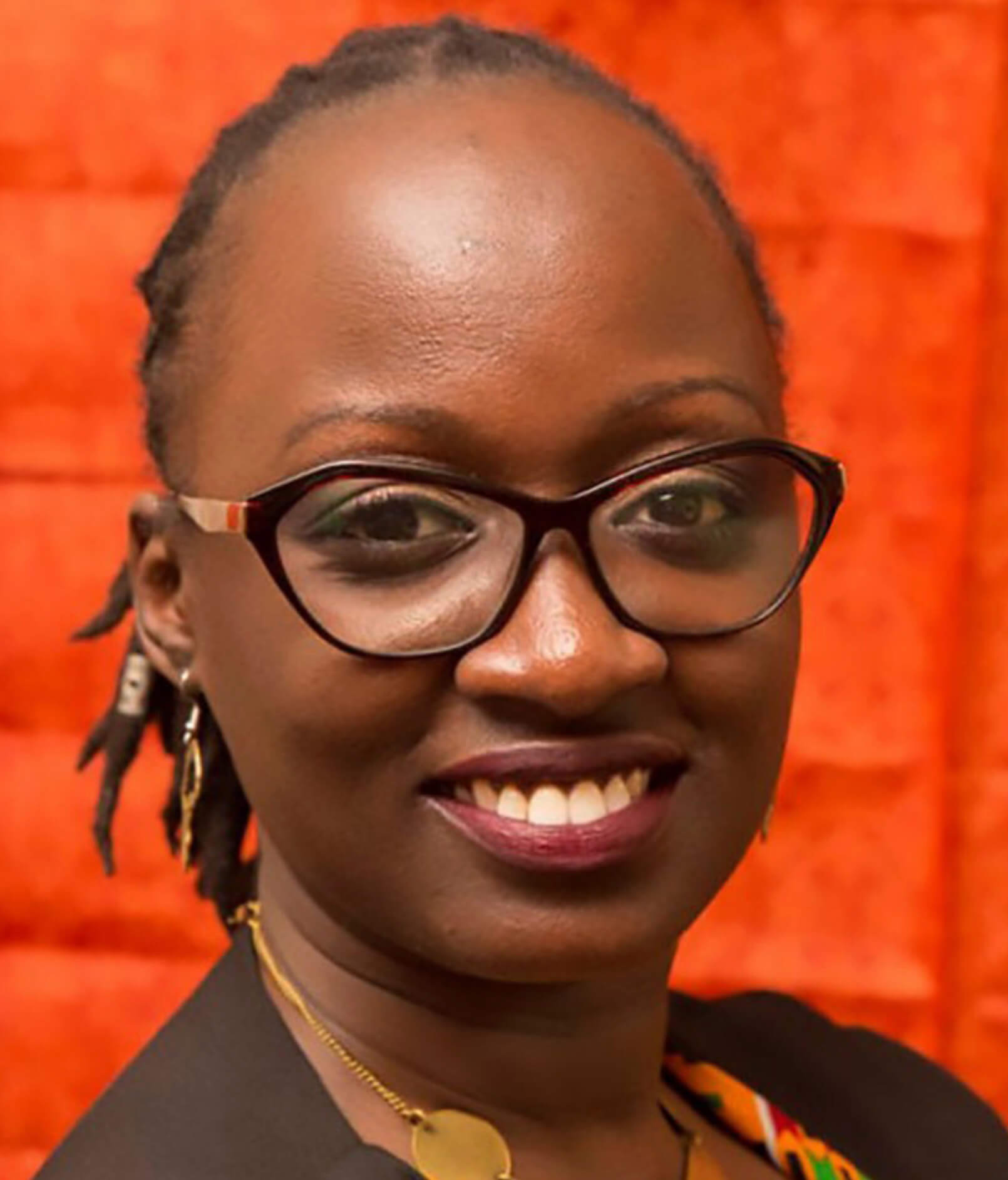
Isabelle Kamariza
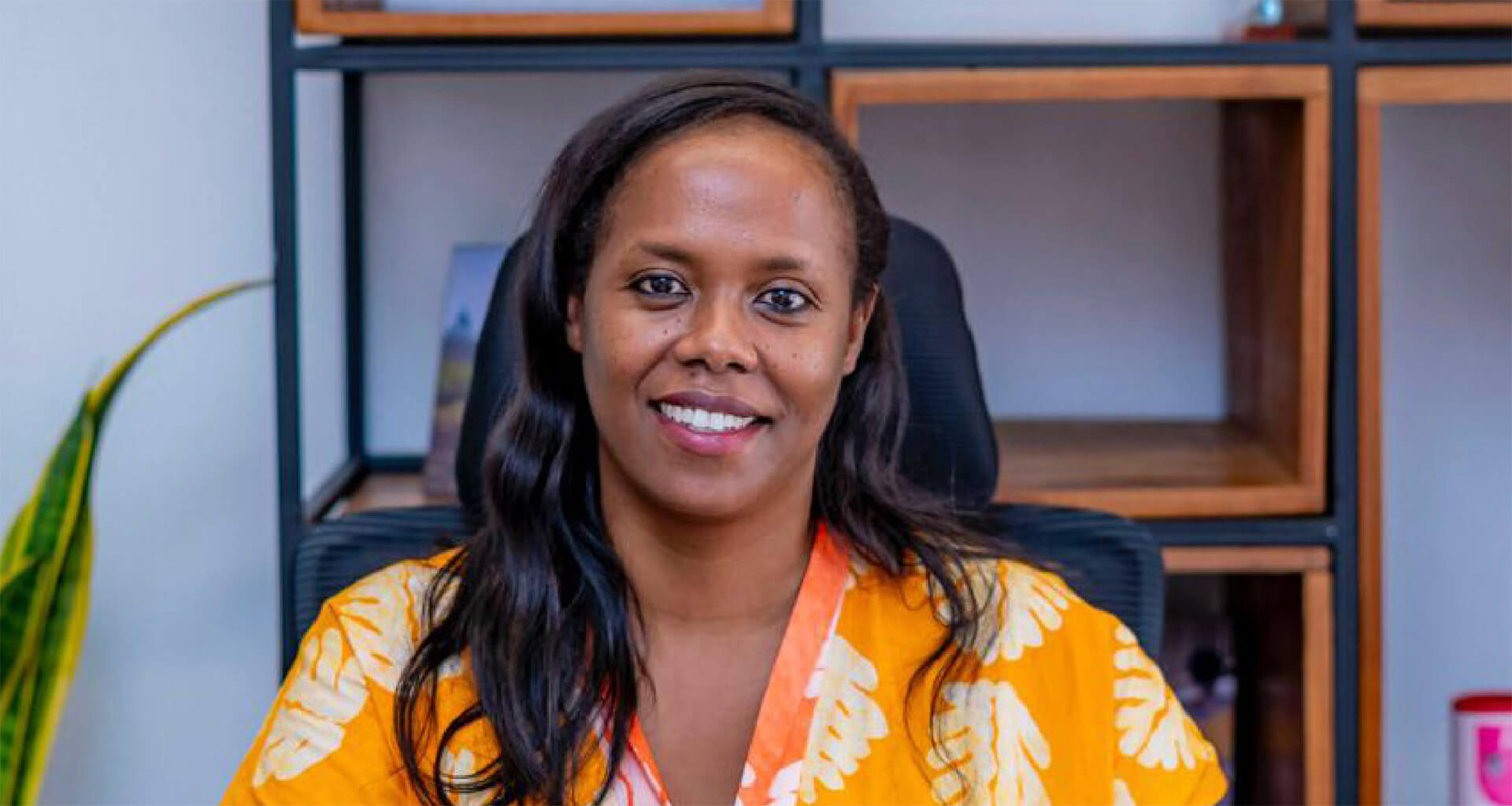
Founder of Solid’Africa, Rwanda
What began as an act of compassion has grown into a model for how food systems can strengthen both health and livelihoods. Solid’Africa’s work started in hospitals and later extended to public schools, where it now provides nearly 15,000 meals each day alongside more than 100,000 hospital meals each year. Through its farm-to-plate model, the organisation connects smallholder farmers, many of them women, to steady demand from hospitals and schools, creating a circular system that nourishes people and restores the land.
Food is about dignity and recovery. When we began, patients in public hospitals had almost no access to food because meals are not included in Rwanda’s health insurance package. This meant that people had to rely on relatives, buy snacks from small kiosks, or go hungry. I remember one patient who could only eat soup, but because it cost more than solid food, she chose the cheaper option. That moment stayed with me. It showed me how food determines not only health, but also the basic dignity of being able to heal.
Everything is connected, from health to farming and the soil beneath our feet. Globally, agriculture and soil have been deeply deprived, with over 50% of soil nutrients lost due to years of monocropping and unsustainable practices. Through our farm-to-plate model, we link hospital and school meals directly to local agriculture and invest in regenerative farming practices that rebuild soil health. By encouraging farmers to grow a diverse range of crops rather than relying on monocropping and by purchasing those crops for our meals, we are improving human nutrition while actively restoring the soil through regeneration and biodiversity.
Women farmers are the backbone of Rwanda’s agriculture sector. They bring deep knowledge of the land, strong community networks, and a commitment to reinvesting in their families and communities. By partnering with them, we see faster adoption of sustainable practices and greater stability in food supply chains. Empowering women is one of the surest ways to build resilient, inclusive systems.
Innovation helps us reach more people, but purpose keeps us steady. Our first industrial kitchen, opened in 2019, brought automation and food safety to a mass cooking scale. Now we’re moving toward a digital system that traces food from farm to plate, improves planning, reduces waste and strengthens accountability. But technology isn’t the goal; permanence is. We’re working with government to embed hospital feeding into Rwanda’s health system so nutritious meals become part of public care.”
Food can change the direction of a nation. Stronger food systems create healthier people, better learning outcomes and more resilient economies. By showing that large scale nutrition can be delivered through local sourcing, Solid’Africa offers a model of self-reliance that others can build on. My hope is simple: that every person who depends on public care has access to good food, grown by their own communities.