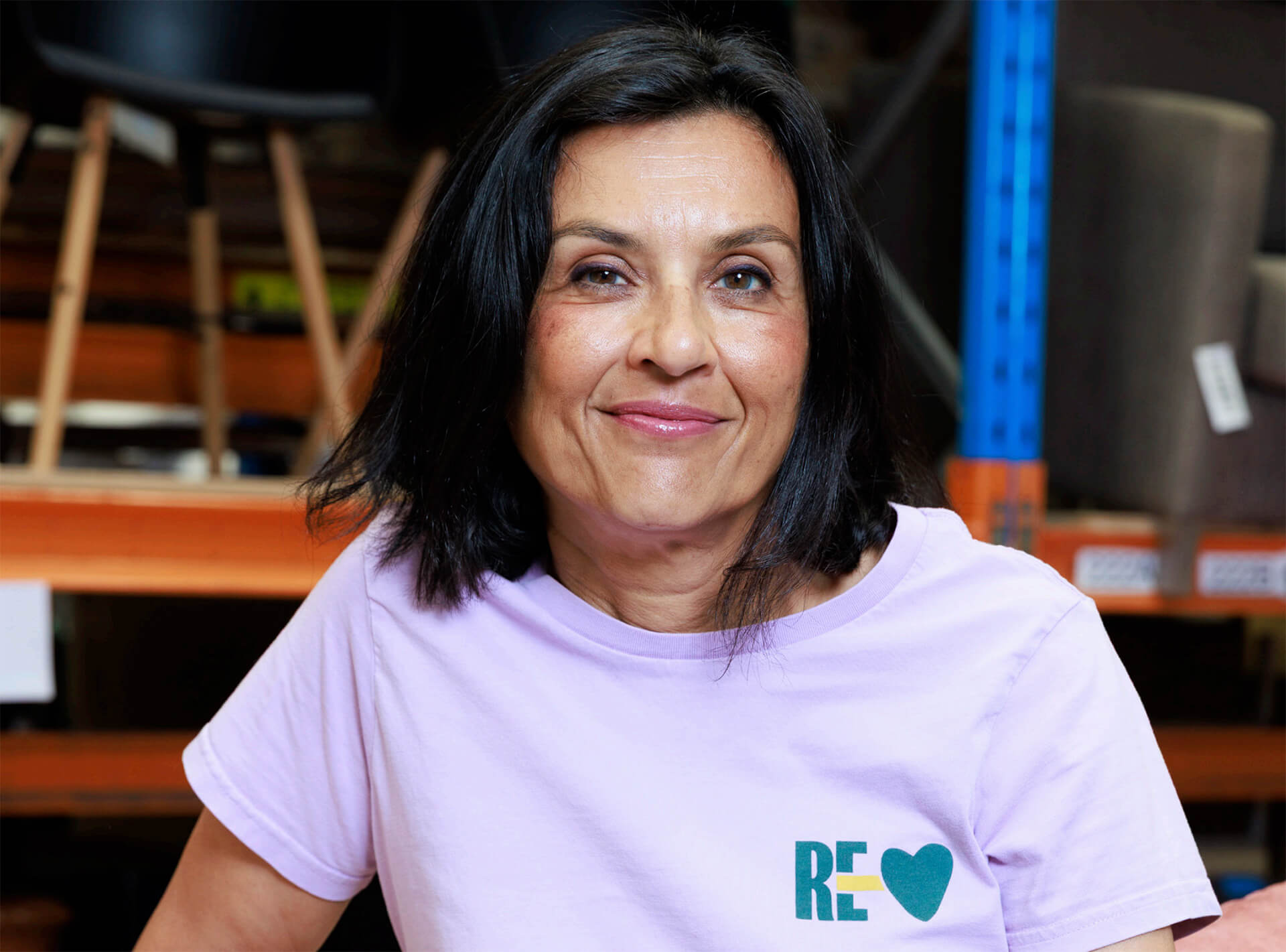
Barbie-Lee Kirby
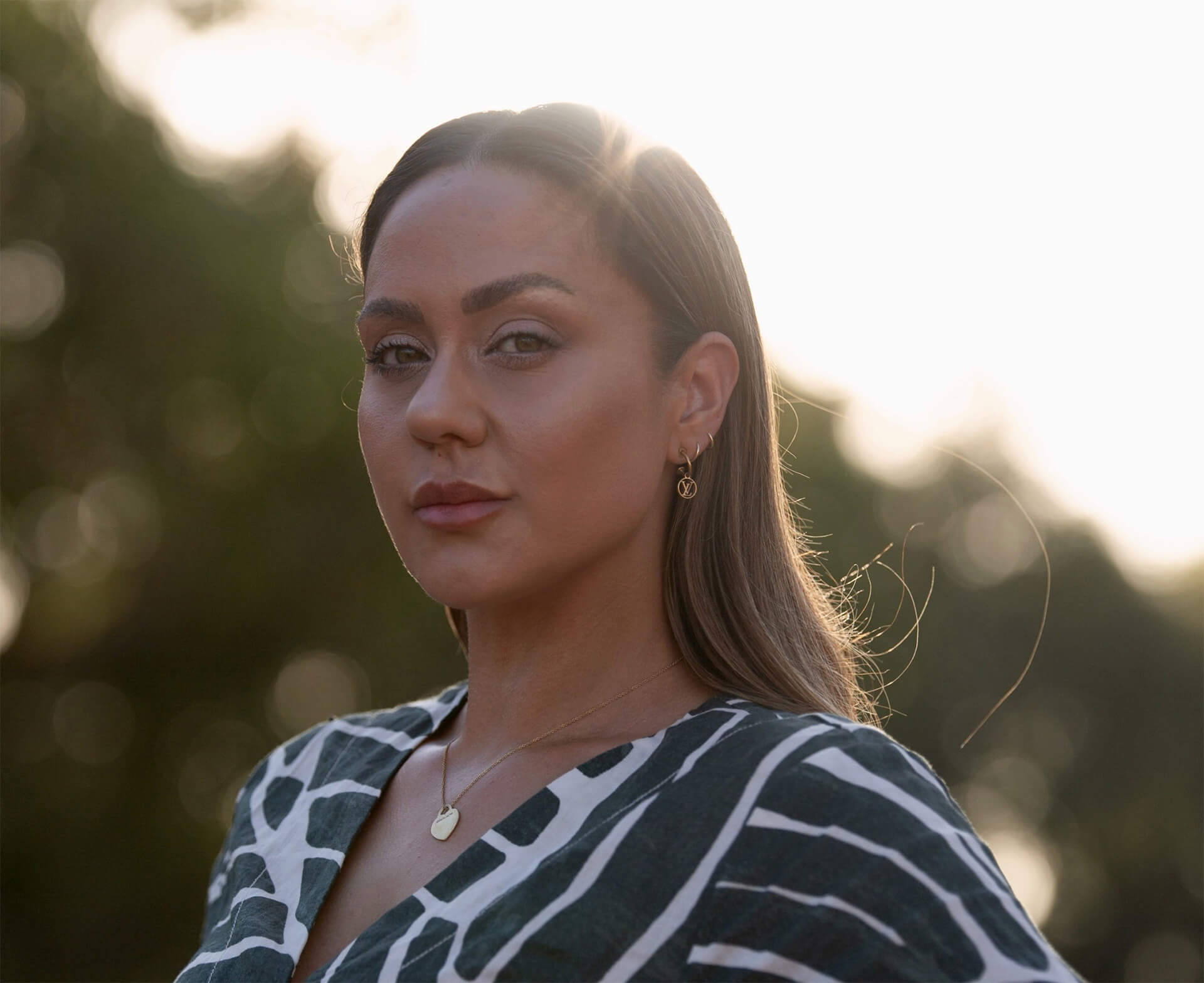
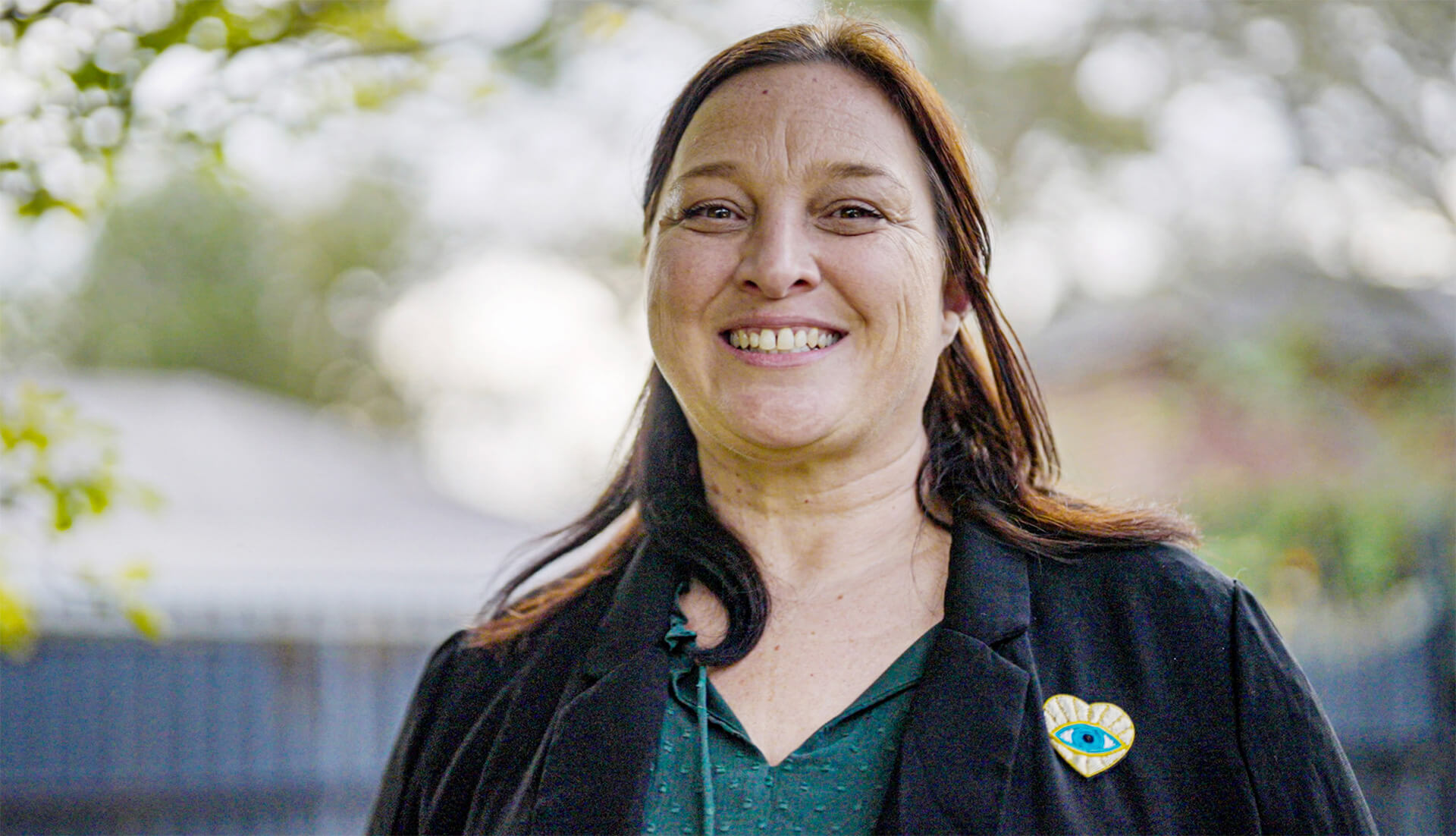
Executive Director of First Nations Futures, Australia
Barbie-Lee Kirby is one of the leading voices in a new generation of First Nations leaders in Australia. A Ngiyambaa, Wailwan, Paakintji-Maraura, Gamilaraay and Yuwaalaraay woman from Far West NSW, she combines deep community connection with experience across finance, governance, data, and philanthropy. Now, as Executive Director of First Nations Futures, she is challenging a sector where less than 1% of funding reaches Indigenous-led organisations, and pushing philanthropy to shift decision making into community hands.
Working across finance, governance and philanthropy showed me how power operates and how often it reinforces inequity. I saw who made the decisions and who was excluded, and how little importance was placed on intersectionality. Unless power is shared, the structures that are meant to deliver impact can end up maintaining disadvantage instead of changing it.
When communities set the terms, they prioritise what sustains them. That looks different everywhere. A boxing program in Brewarrina needing just a few thousand dollars, an equine therapy program in WA paying vet bills, or a local organisation keeping a community space open. These aren’t the tidy categories funders often expect, but they are the investments that hold communities together. Local control allows for independence, dignity and self-determination.
First Nations Futures is shifting how accountability works. Traditional philanthropy is weighed down with reporting and rigid timelines. We still hold accountability to funders, but we put it where it belongs, with communities themselves. They answer to one another and to the people they serve. That change frees up time, reduces barriers, and allows impact to unfold in ways that standard frameworks can’t measure.
Wealth redistribution can happen with cultural integrity. Our role as an intermediary is not to control resources but to move them quickly and with trust. We show that funding can flow in ways that keep community and culture at the centre, rather than sidelining them.
The shift I want to see is simple: philanthropy must move capital into the hands of Indigenous-led organisations. In Australia, philanthropy exists because of colonisation and the dispossession of our people. Too often there has been a culture of holding onto wealth and assets instead of using them for change. Over the next five years, I want to see money flowing into Indigenous-led funds and organisations that know what their communities need. When resources move with respect, trust and the right timing, the impact is deeper, and it lasts.