Building trust through faith in Zambia’s cervical cancer response
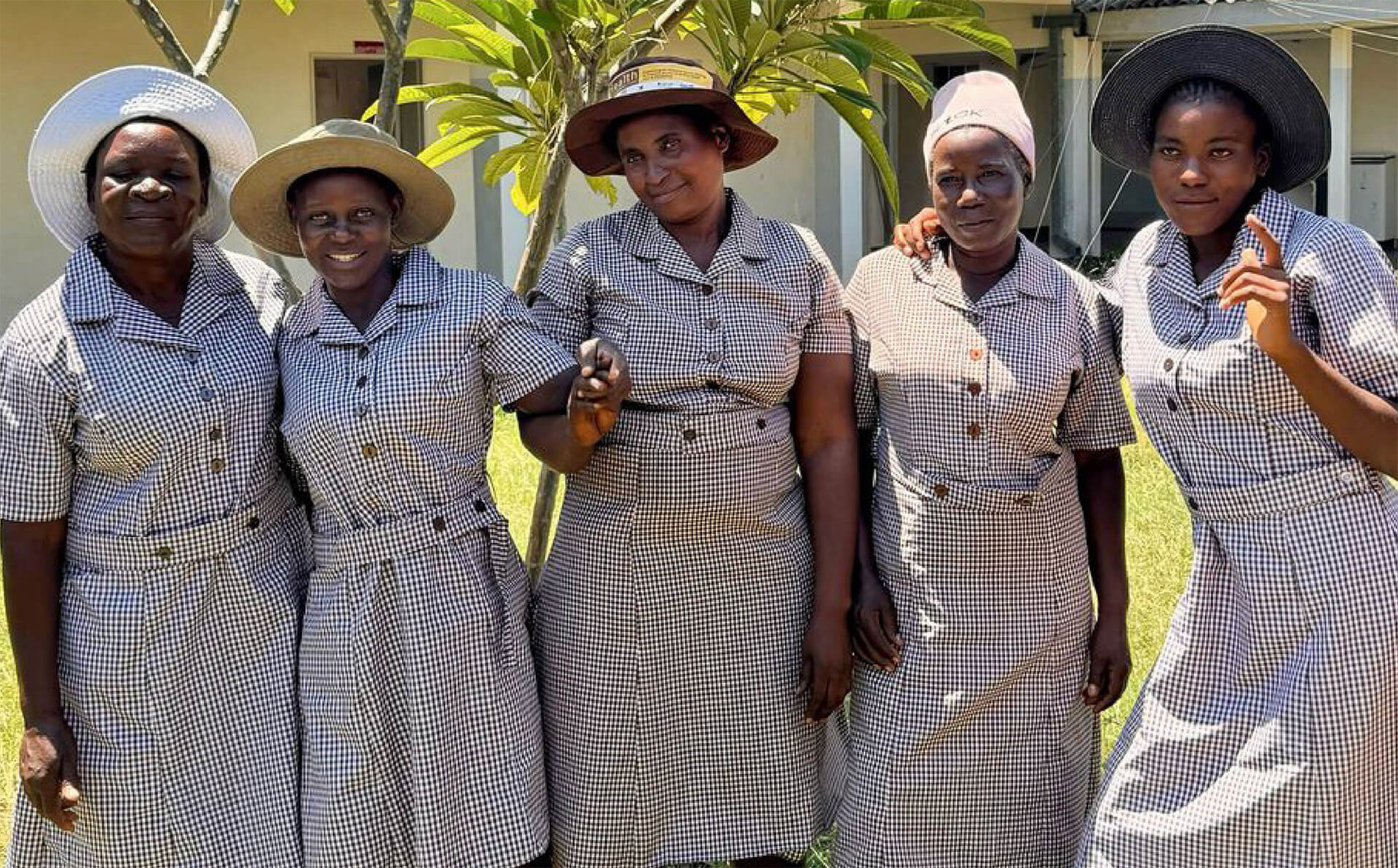
In Zambia, where Christianity shapes much of social life, pastors and elders are often trusted more than doctors.
That trust can cut both ways. In some communities, illness is still seen as divine punishment; in others, cultural and religious norms make talk of reproductive health taboo. The effect can result in stigma, silence, and delay in seeking care for diseases such as cervical cancer.
The Clinton Health Access Initiative has sought to turn this dynamic into an advantage. Working with Zambia’s Ministry of Health, it partnered with local faith leaders to deliver awareness sessions that were religiously and culturally sensitive. Providers joined women’s rallies and camp meetings in Central Province, placing prevention messages in spaces where women already felt safe.
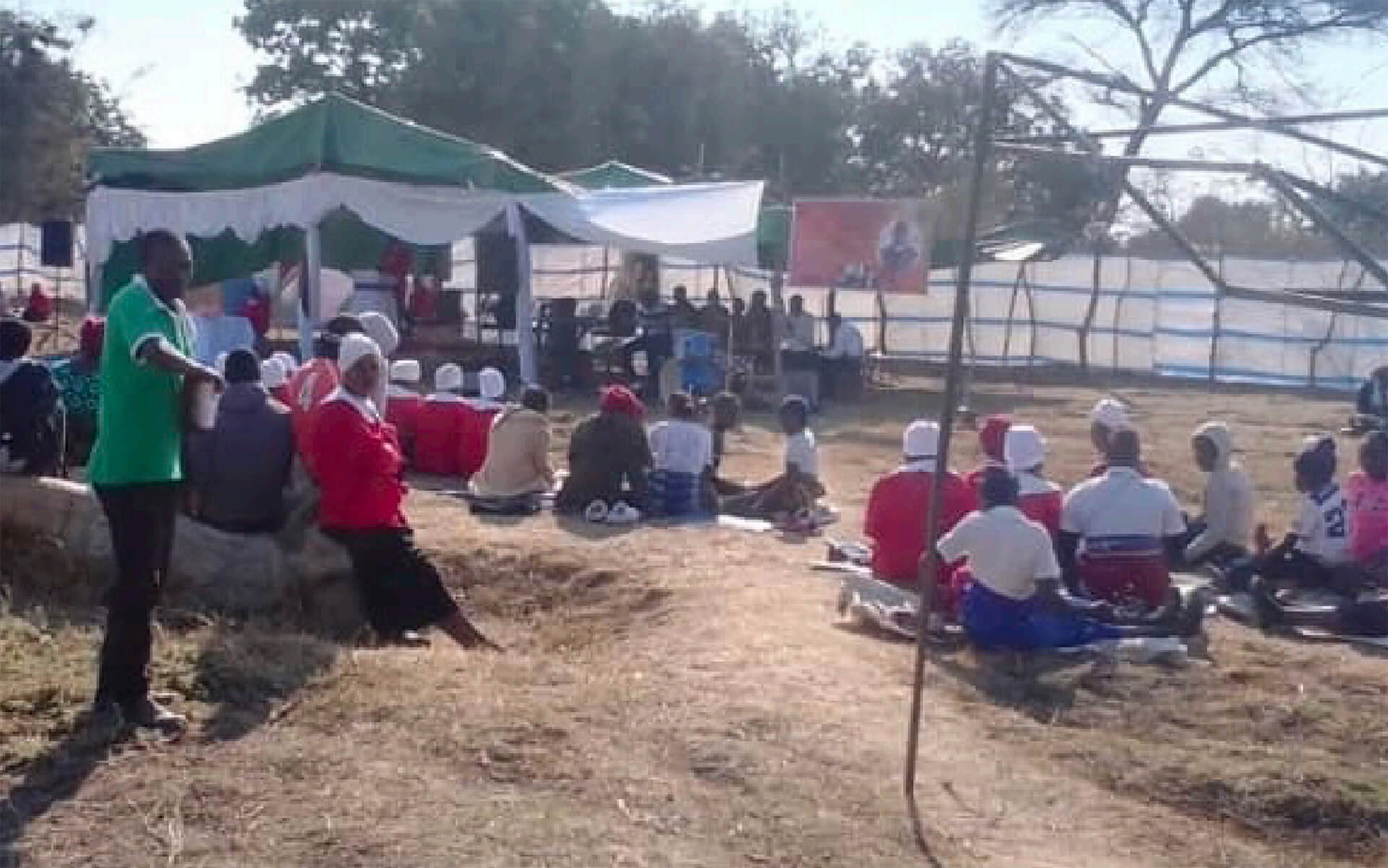 Cervical Cancer Talk at Zambia Camp © CHAI.
Over the year, these gatherings reached around 10,000 women, of whom 45% were screened for cervical cancer. Health providers said uptake outstripped static clinics.
“Through these religious gathering outreaches, we have managed to screen more women than we normally do. These sessions have really helped us in areas that were beyond our reach,” said Blessings Chingobe, a cervical cancer provider from Shibuyunji District in Central Province.
In Luano District, where there is only one fixed cervical cancer screening site, Hope Nachinga is a cervical cancer provider. “We are screening more women than we do at static sites. Even those in hard to reach areas. This is great success for us as a district especially that we only have one screening site,” she said.
By working through faith networks as trusted community institutions, Zambia’s health providers have widened access to cervical cancer services and encouraged more women to take up screening.
Cervical cancer remains one of the leading causes of death for women in Zimbabwe and Zambia. The Clinton Health Access Initiative is supporting governments to expand screening, treatment and vaccination, building public health capacity to move closer to the global elimination target.