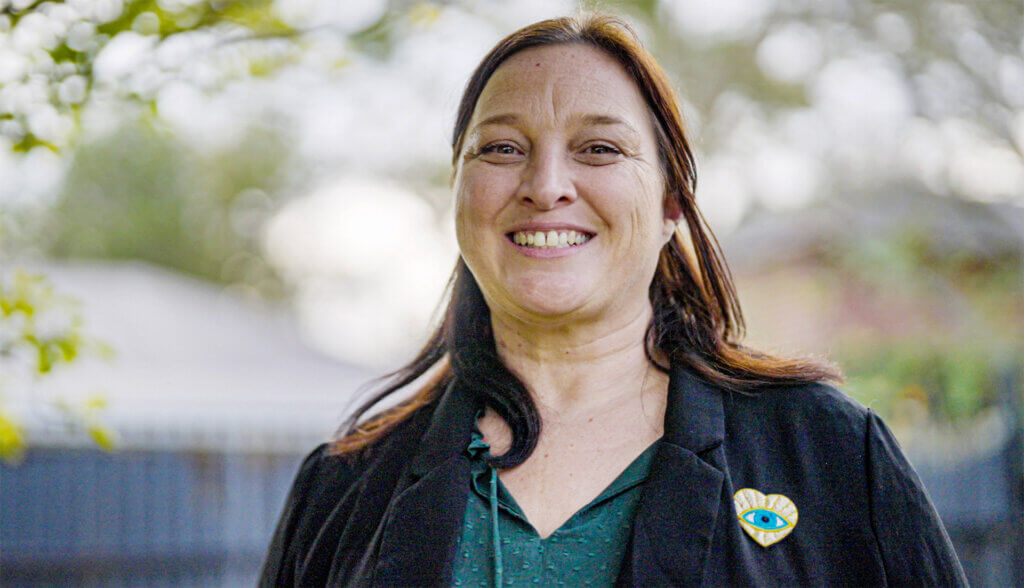
Dr. Benjamin Wachira

Founder and Executive Director of Emergency Medicine Kenya Foundation
Kenya had no emergency healthcare system a decade ago. Dr. Benjamin Wachira is building one from the ground up, securing national policies, training thousands of providers, and creating county level systems now reaching millions. His vision is to halve emergency related deaths by 2030, proving that timely, simple care can transform national health outcomes.
During my medical training, emergency medicine didn’t exist in Kenya. I watched patients die in front of me and had no training to save them. That experience drove me into the field. Coming back as one of the first emergency physicians in the country, I realised I could treat one patient at a time, or I could help build a system that saves thousands. Emergency care isn’t about complex procedures, it’s about simple, timely actions that save lives. Building a system to make that possible is what excites me.
We started with a blank slate. Hospitals and ambulances existed, but emergency medical care wasn’t prioritised. There was no expertise, no funding, no policies. Today, Kenya has dedicated laws and strategies for emergency care, a national emergency fund, emergency departments in hospitals, and coordinated county ambulance services. We’ve trained more than 5,000 healthcare providers and developed national protocols. We’ve moved from zero to around 25%, with a target of 50% in the next few years.
Technology can be a game changer. Kenya has advanced rapidly in fintech and digital services, but healthcare has lagged behind. There’s huge potential to use technology in emergency care for efficiency, coordination and patient access. We’ve built county ambulance dispatch platforms and developed a casualty app to connect people to ambulances, since Kenya still has no 911 system. Tech can improve how emergency care is delivered and influence the wider health sector.
Policy is not the same as practice. The policies are in place, and that’s a big step. But in Kenya, policy and practice are not the same. The focus now is making sure the systems we’ve worked so hard to design are implemented consistently, so the gains we’ve made translate into real outcomes. That is how we will get closer to our goal of halving emergency related deaths by 2030.