Emergency care begins before the hospital
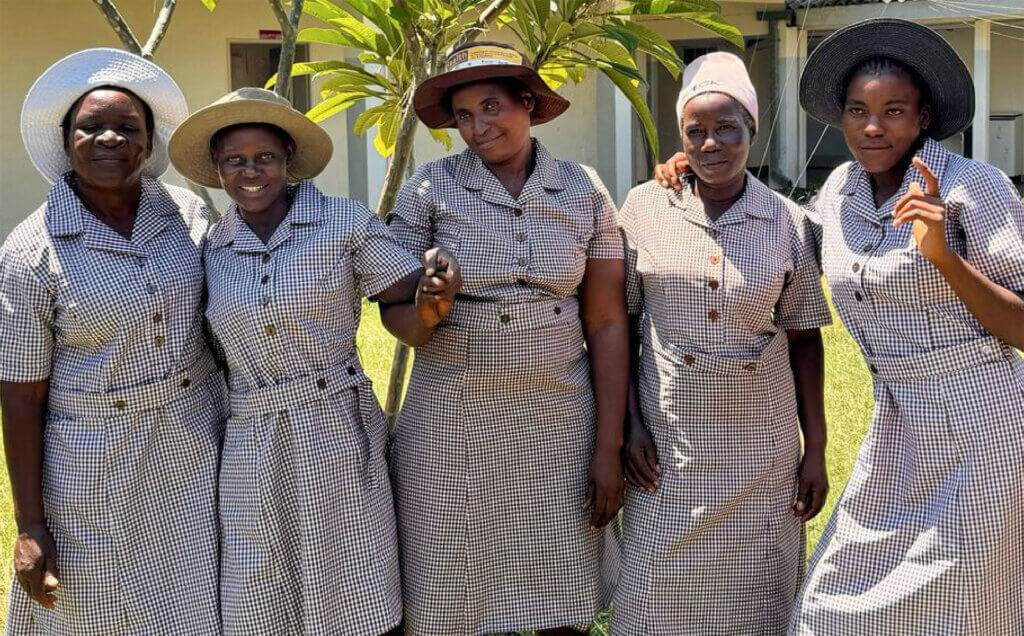
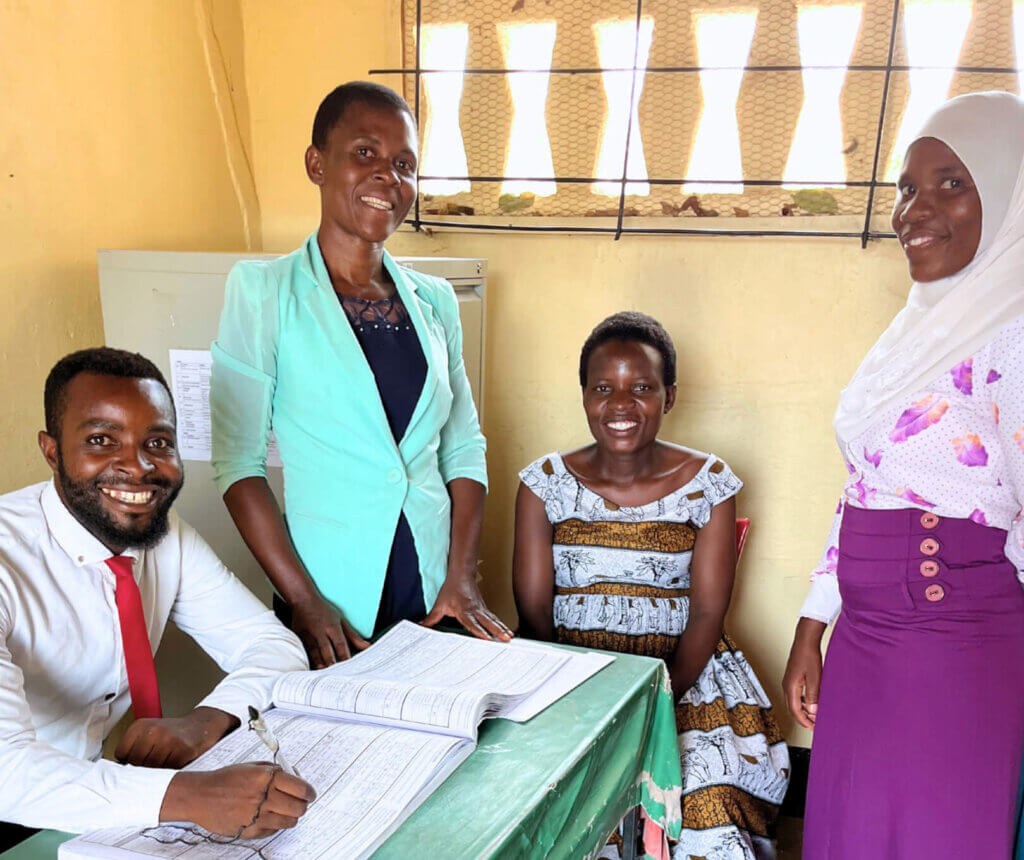
In Nakuru County, the first person to reach an emergency is often not a doctor or nurse, but a motorbike rider, taxi driver, public transport worker, or community health worker.
Working within this reality, Emergency Medicine Kenya Foundation and the County Department of Health Services are creating a reliable first response system that connects communities with formal emergency medical care.
By training community health workers as both first responders and instructors in basic first aid, crisis coordination, and the management of the emergencies most common in their areas, they are empowered not only to provide immediate lifesaving care but also to cascade this knowledge through local units and organised groups, building sustainable community networks that extend far beyond a single training.
This aligns with WHO’s recommendation to train lay first responders in resource-limited settings, helping bridge the gap between communities and formal emergency medical services,
said Ritah Ochola, County Community Strategy Focal Person. What was once an informal and fragmented response is now becoming structured and dependable. By strengthening the first link in the chain of survival, communities are experiencing faster action, reduced injury severity and higher survival rates long before patients reach the hospital.
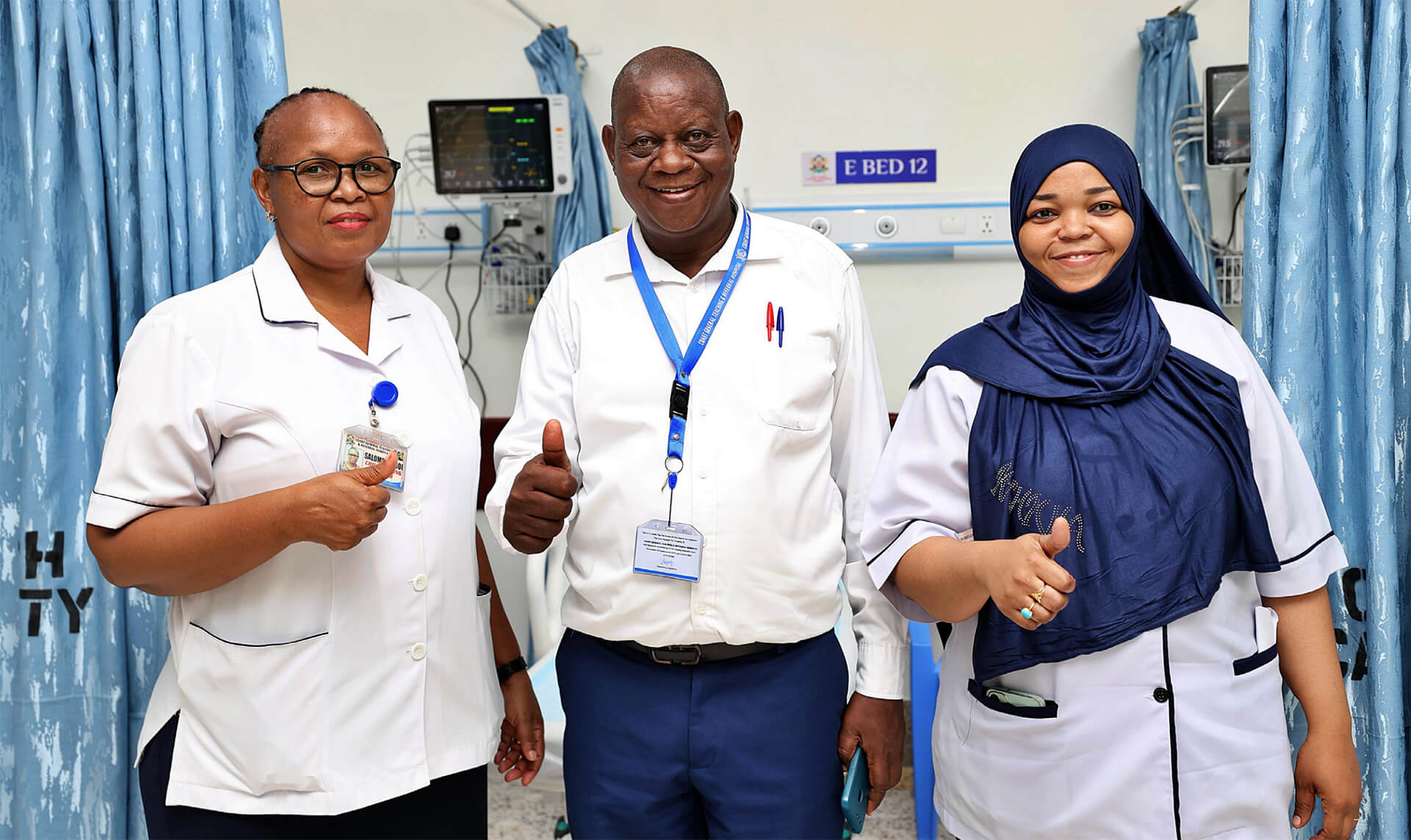
And when patients do arrive, hospital emergency departments – like Coast General Hospital in Mombasa, where infrastructure and systems have been upgraded – are better prepared to deliver timely, reliable emergency medical care. Together, these investments connect the community to the hospital as part of one national emergency healthcare system.
Emergency Medicine Kenya Foundation is embedding emergency medical care into Kenya’s public healthcare system. By training healthcare workers, establishing ambulance dispatch centres, and equipping emergency departments, the foundation works nationwide with governments across all 47 counties to reduce preventable deaths and ensure emergency care is a core part of national health delivery.