How three women built Kotura Restaurant in a Ugandan refugee settlement
In Northern Uganda’s refugee settlements, adolescent girls and young mothers are learning trades, starting small businesses and rebuilding their lives after displacement.
In Boroli refugee settlement, three young mothers, survivors of domestic violence, took a bold step towards economic independence. Harriet, Susan and Lyn, all trained in catering through local artisans as part of Plan International’s Girls in Crisis 2.0 project, are building their economic autonomy. The project, designed to support adolescent girls and young mothers, equipped them with the knowledge, skills and tools to transform their lives.
We were very fortunate to be selected as beneficiaries of this project because there are so many other young mothers like us in the community,” says Harriet. “This opportunity has given us hope and a chance to build a better future.
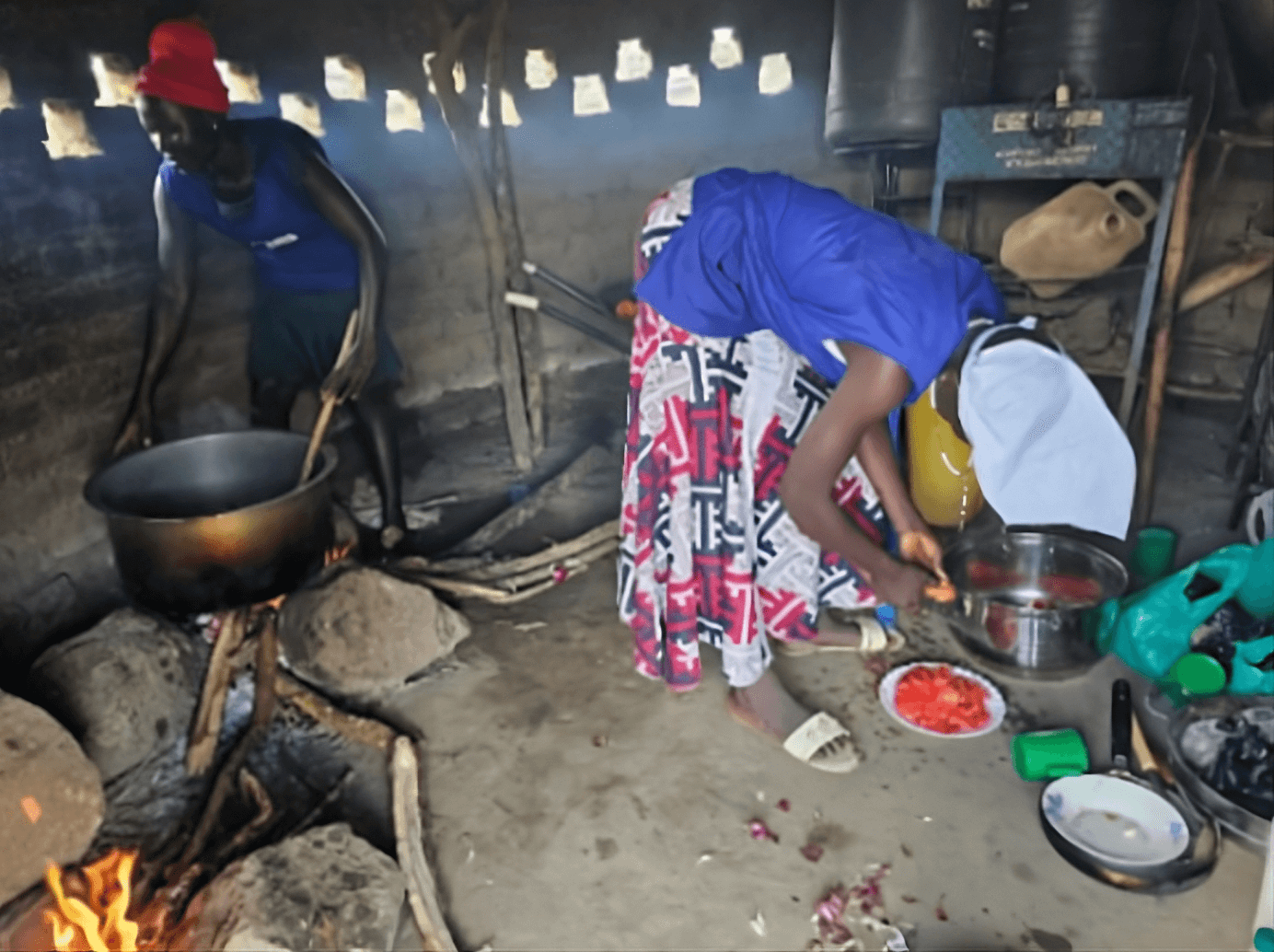
The Kotura Restaurant, founded by the three young women, emerged as a community solution. In Boroli, there were no restaurants, leaving a gap for meals and refreshments. Recognising this need, the young mothers decided to pursue catering as their chosen trade. Over the course of three months, they received hands on vocational training, learning not only how to prepare food but also how to manage a business and handle finances effectively.
After completing their training, Plan International provided them with startup kits, giving them the foundation to launch their own restaurant. The group chose to establish their business near their local Health Centre, a strategic location with a steady flow of people.
To get their business off the ground, they raised 70,000 Ugandan shillings (about A$19) to support the construction of their restaurant. Harriet was grateful for her husband’s contribution, saying, “I want to thank my partner for generously providing us with building materials and dedicating his time to construct the structure we are using today. Without his help, this would have been much harder for us.” With the structure completed, they pooled another 40,000 shillings (about A$11) to purchase essential items such as salt and meat to start operations. What began as a small initiative serving seven customers a day has grown into a thriving business with regular patrons. The profits they earn are reinvested into the restaurant, while some support their households, providing basic needs and school fees for their children.
This project has given us not just the skills to run a business but the confidence to take control of our lives and provide for our families,” says Harriet.
Kotura Restaurant is now a place of work, learning and independence. For its founders, it represents stability after years of upheaval and a chance to build their own future.