Keeping Women Out of Prison is reaching a turning point in NSW

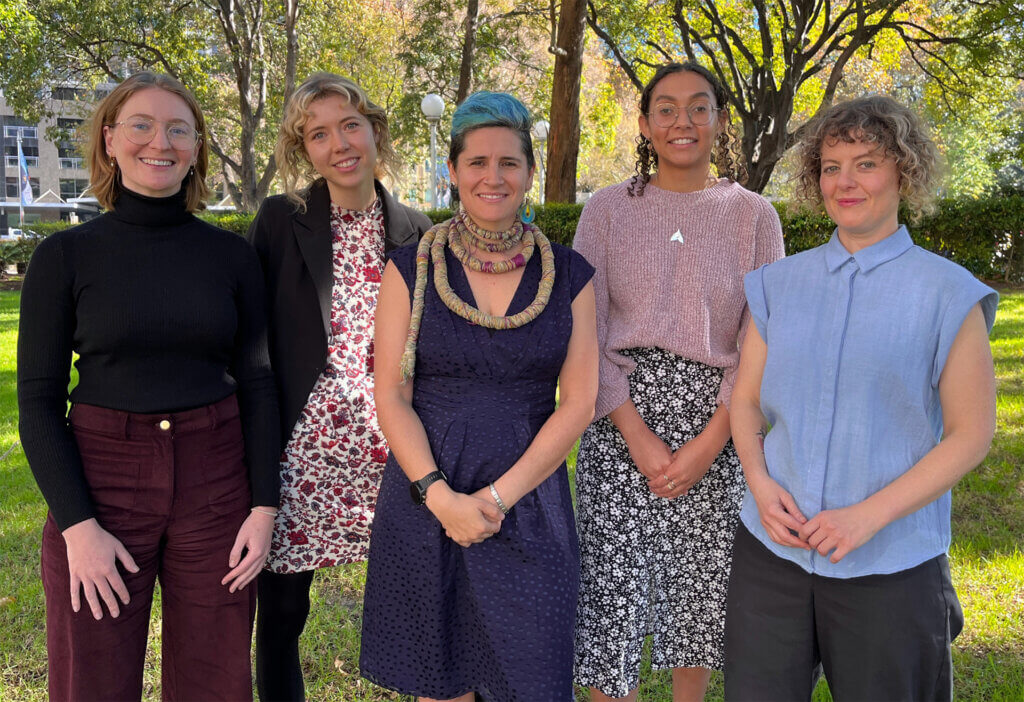
The Keeping Women Out of Prison (KWOOP) Coalition is shifting the pathway for women who come into contact with the NSW criminal legal system.
What began as a volunteer led alliance has grown into a coordinated, statewide voice for justice reform that brings together lived experience leaders, community organisations and researchers with a shared goal of keeping women out of prison and keeping families together.
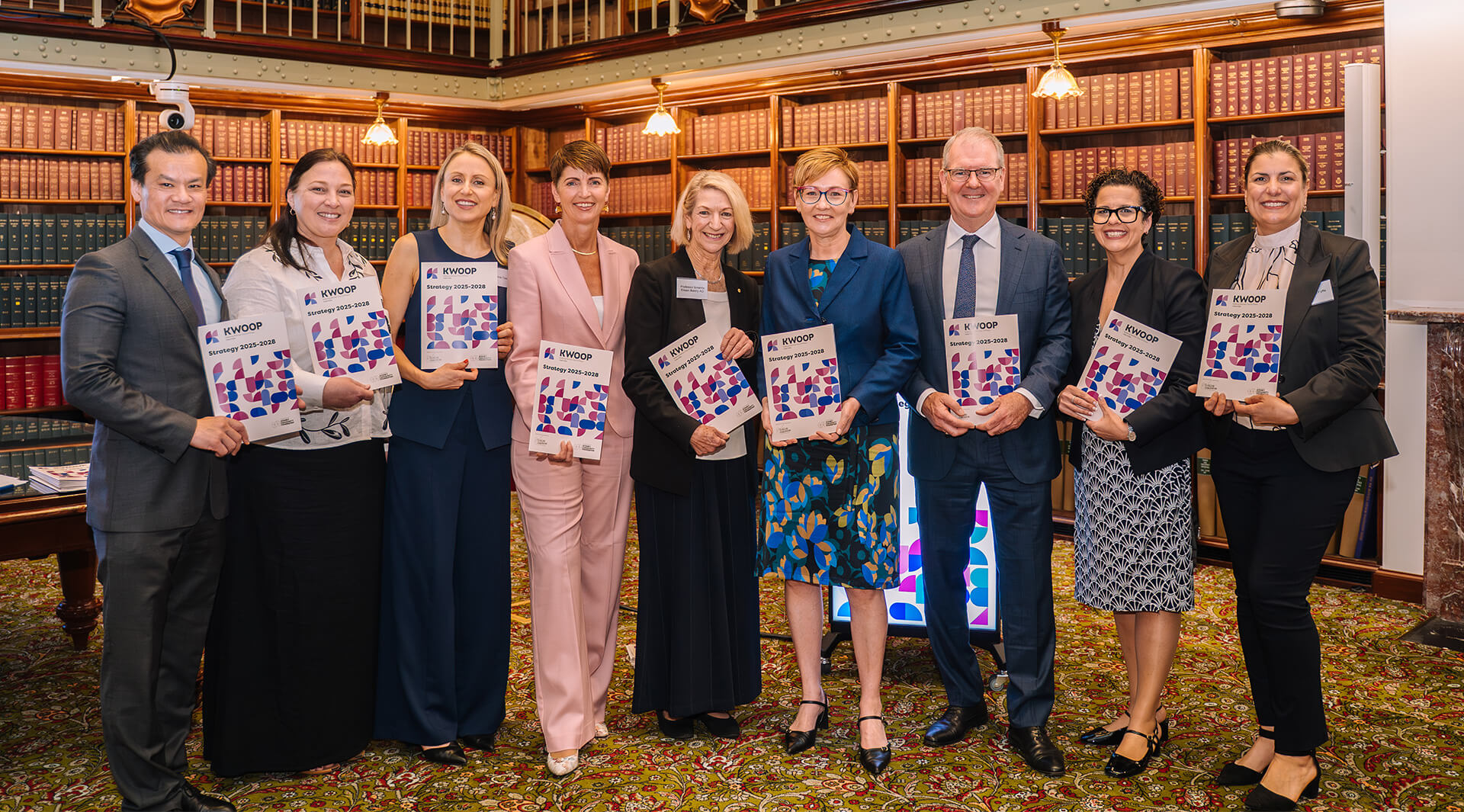
This year included a major milestone with the launch of the KWOOP Strategic Framework 2025 to 2028 at NSW Parliament House, where ministers, advocates and community partners gathered to support a clear plan to reduce women’s incarceration. The framework sets out three priorities: diversion and bail support, trauma informed care and reintegration planning from the first day of a sentence.
Momentum is building at the same time across government. After years of advocacy and evidence gathering, conversations have shifted from asking why alternatives to custody are needed to asking how they can be delivered. NSW Corrective Services is developing its new 10 year strategy and KWOOP, along with its member organisations, has played a significant role in shaping its direction. The emerging strategy reflects KWOOP’s emphasis on diversion programs that address the causes of offending rather than the consequences of incarceration.
Across NSW, many women entering prison experience trauma, violence, poverty and housing instability. A large proportion are held on remand without conviction and 60% are mothers. First Nations women remain disproportionately affected, representing 42% of the women’s prison population while making up only 3% of the state’s female population. As KWOOP Program Director Corinne Kemp has said, “the drivers of women’s imprisonment are deeply connected to systems that respond to disadvantage rather than resolving it”.
A wider change in mindset is also emerging across agencies that influence women’s pathways through the justice system. Corrective Services has begun placing trauma informed care at the centre of its planning. Justice Health invited KWOOP to explore opportunities for collaboration. Treasury’s Social Policy Network engaged with KWOOP’s economic analysis and focused on practical questions of implementation. The NSW Office for Women reinforced this shift when it dedicated its most recent grant round exclusively to supports for criminalised women, with eligibility restricted to KWOOP member organisations. Taken together, these engagements signal a meaningful change in how government is approaching reform.
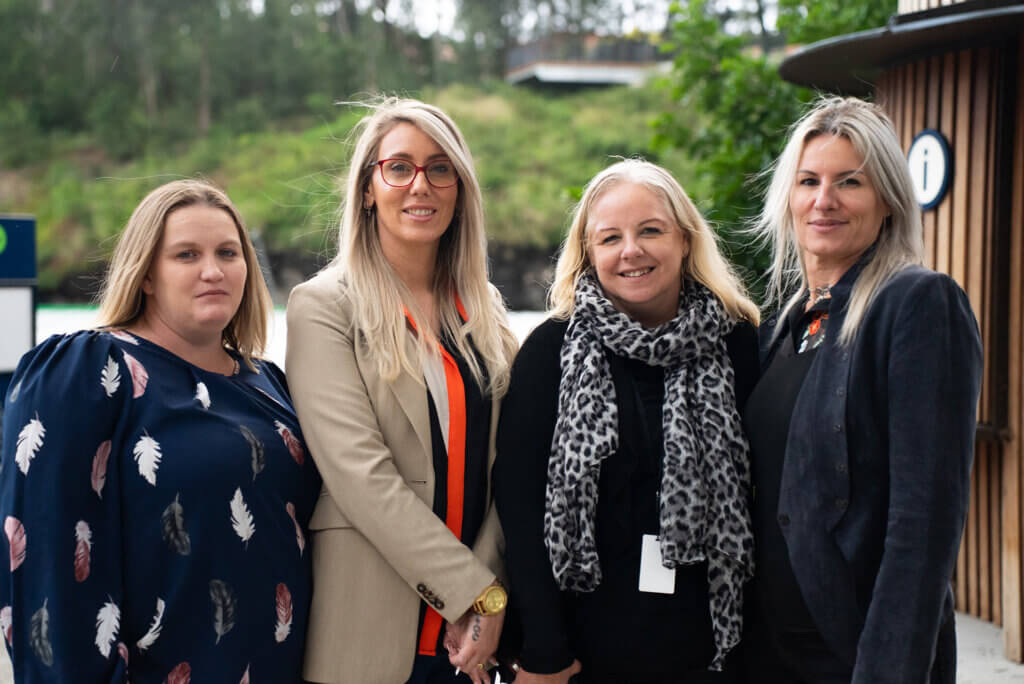
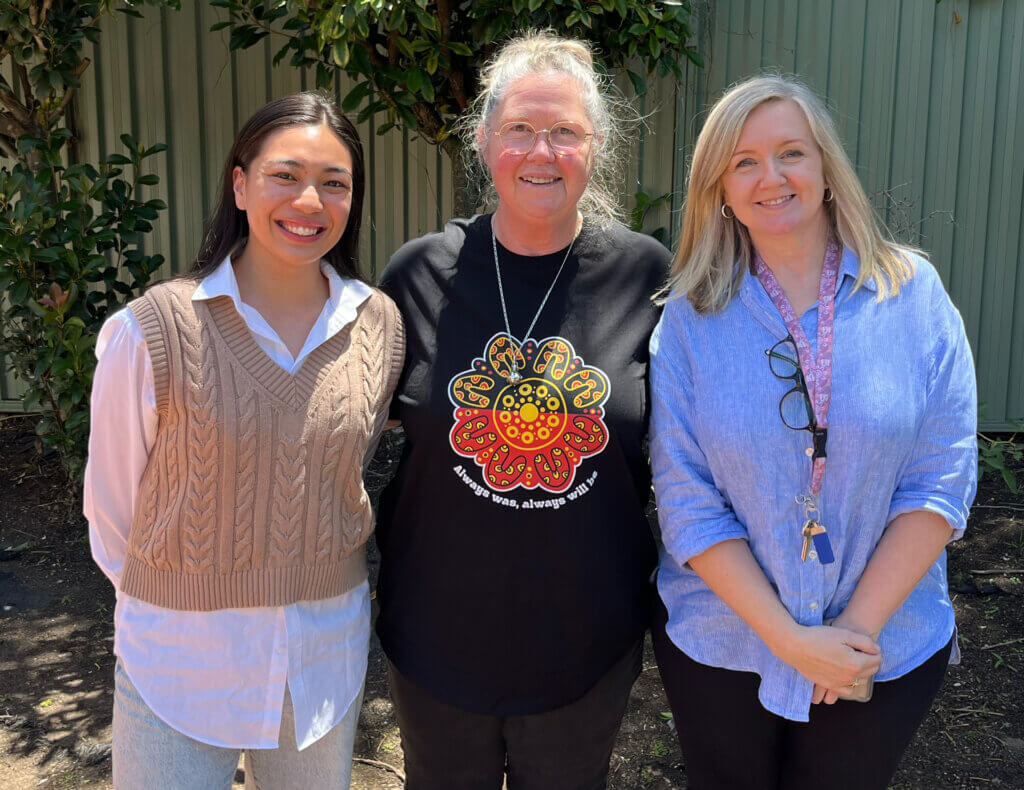
KWOOP’s progress is grounded in the work of its members. Organisations such as the Women’s and Girls’ Emergency Centre, Community Restorative Centre, Success Works and Dress for Success are part of the KWOOP Community of Practice and support women every day with housing, safety, mental health care, employment pathways and reintegration. A dedicated KWOOOP coordinator is strengthening and expanding this statewide network. The Community of Practice shares evidence, identifies gaps, coordinates advocacy and supports consistent practice across services.
The challenge now is sustaining this momentum. Reducing the number of women in prison requires long-term investment, stable services and reforms that prioritise safety, housing and recovery. For the first time, the pathway forward is clearer. Government, community organisations and lived-experience leaders are increasingly aligned around practical solutions that prevent criminalisation and support women to build stable lives.
KWOOP’s progress this year shows what becomes possible when the sector is resourced to work collectively and with shared purpose. As conversations shift from whether to invest in alternatives to how to implement them, the coalition’s role as a trusted adviser and convener is more important than ever.
The Keeping Women Out of Prison (KWOOP) Coalition is a NSW network working to improve outcomes for women who come into contact with the legal system. By bringing together frontline organisations, researchers and lived experience advocates, KWOOP strengthens diversion pathways, supports reintegration and builds a more coordinated system of housing, health and social supports. The coalition’s aim is to reduce criminalisation and help women and their children achieve long term stability in the community.