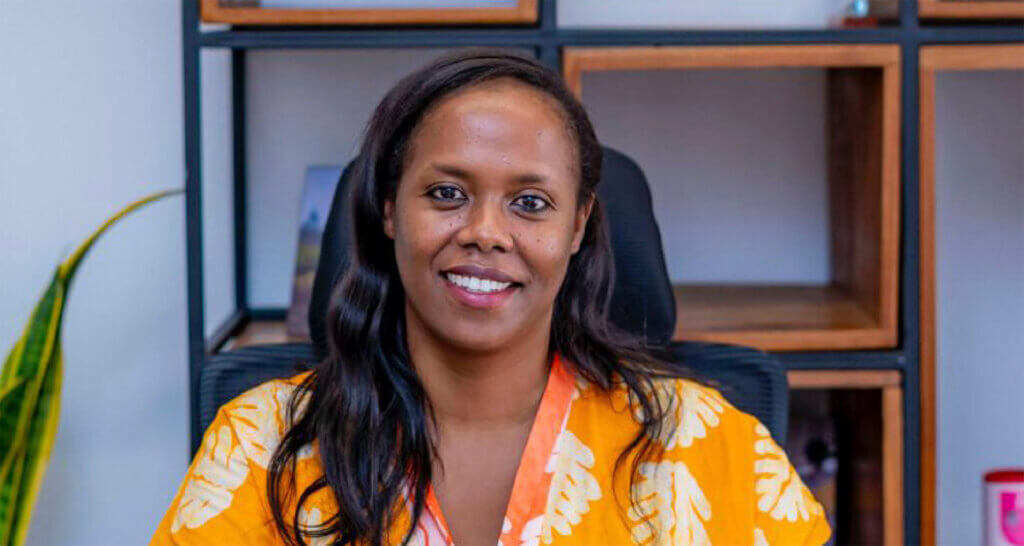
Nicole Yade
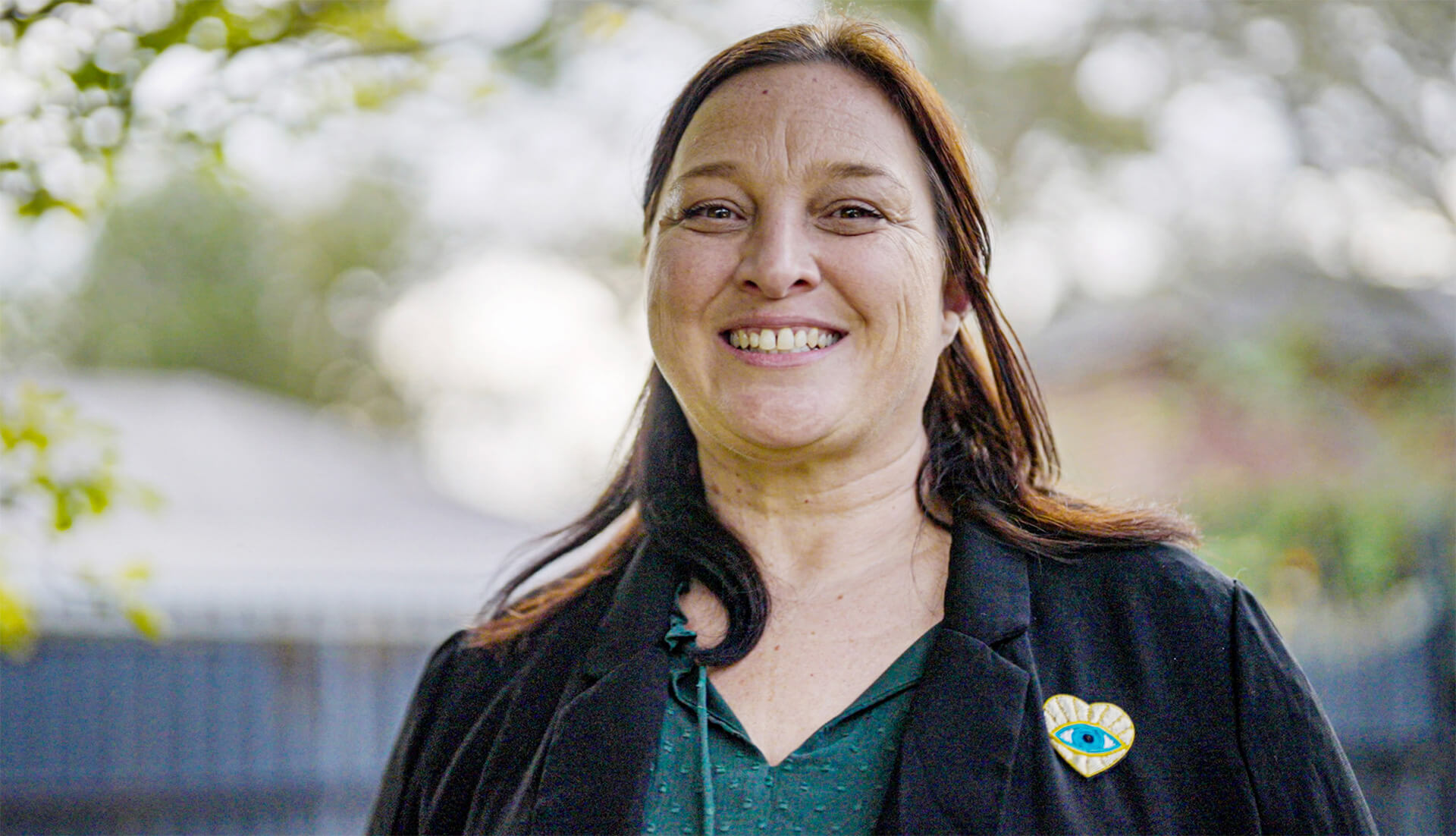
CEO of Women’s and Girls’ Emergency Centre (WAGEC), Australia
Nicole Yade leads WAGEC, a feminist, grassroots organisation that supports women and families in crisis. She is also CoChair of the Keeping Women Out of Prison Coalition (KWOOP), an alliance working to end the cycles of incarceration in NSW. Under her leadership, WAGEC has piloted From Now, the first program in NSW dedicated to pregnant women and mothers exiting prison, showing how safe housing and wraparound support can provide stability, disrupt cycles of homelessness, and create pathways for long term change.
Each night in Sydney more than 200 women and children stay with us because they have nowhere safe to go. People often assume everyone who arrives has already decided to leave, but many are still weighing impossible choices. With limited housing pathways, even the best refuges ask women to live with their children in a single room for months while sharing kitchens and bathrooms with other traumatised families. We try to meet people where they are by listening first, building trust, and linking them with legal advice, counselling, housing support and day to day practical help, so no one has to do this alone.
We design with lived experience, not around it. At WAGEC we work with a lived experience panel so that our practice reflects the diversity of the people we serve, including Aboriginal women, LGBTQIA+ women and non-binary people. The goal is to ensure our service comes to people, rather than asking people to come to our service. That is hard work in the context of the systems we operate in, including laws, government funding rules and even philanthropy, but it is the work that makes the difference.
I know from my own story that leaving takes time, and non-judgment matters most. It took Leaders of change Nicole Yade © Salty Dingo 2025 me many attempts to leave a violent relationship when I was young, and that experience guides how I lead. Research shows it takes the average woman several attempts before leaving sticks. Judging people only isolates them. What helps is compassion, patience and a door that stays open for as long as it takes. That is what we try to provide at WAGEC.
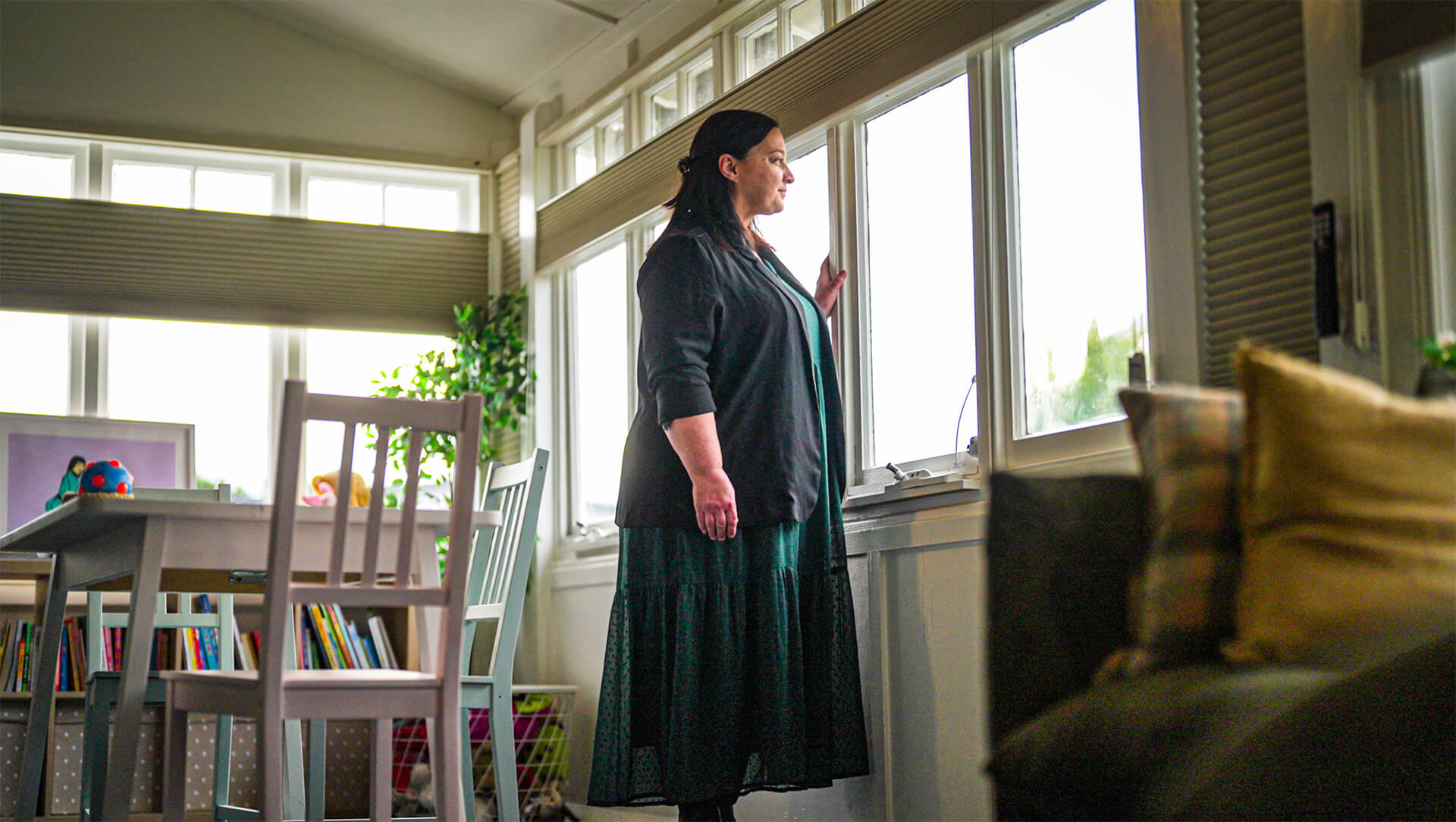
We know, sadly, about 30% of women who enter prison in NSW do so from homelessness, and about 50% leave prison into homelessness. That should not be acceptable, and it is even more concerning when those women are pregnant. WAGEC’s From Now program is our response to this critical gap at the intersection of incarceration and homelessness. With support from the Foundation, we created a program so that pregnant women and mothers leaving prison are not discharged into homelessness. We run a five bedroom residence that is always full, combining safe accommodation with wrap around support that strengthens relationships between mothers and their children. From Now addresses immediate safety and the long work of rebuilding, and it does so with dignity and cultural safety at its core.
Cultural leadership is essential to doing this well. The From Now program is led by Jenny Holmes, a proud Aboriginal woman whose lived experience, empathy and cultural safety are central to everything we do. I think of a mother who arrived pregnant with twins and whose story looked very complex on paper. With safety, care and consistent support she grew into a confident parent and a leader in the house. Today she is in permanent housing, back on Country, close to family, with two thriving children. Seeing that kind of change is why we do this work.
Each year over 2,000 women are released from prison in NSW, most without housing or services, and the proportion on remand is high. Alongside WAGEC I co-chair the Keeping Women Out of Prison Coalition. KWOOP is a statewide alliance that coordinates research and advocacy to reduce women’s imprisonment in NSW and to strengthen the network of services that keep women with their children. The need is urgent. First Nations women are 42% of the women’s prison population, despite being only 3% of the NSW female population. KWOOP is calling for the NSW Government to halve women’s incarceration by 2030 and to resource a community of practice that connects services across the state.
Progress comes from trust, continuity and honesty. Short funding cycles and rigid reporting make it harder to do what works. Philanthropy can have outsized impact by focusing on the most marginalised, backing Indigenous-led leadership and making longer term commitments. When women are starting with very little, the right support transforms their lives and their children’s lives.
My vision is simple and it is shared by my team. We want safety now and safety for the future. That means crisis refuge in the moment, and the building blocks of dignity that make stability possible, including secure housing, income, health care, legal help, cultural safety and time. If we listen, link people to real options and fix the systems that fail them, women will do the rest.