Taking essential services on the road in Rural Zimbabwe
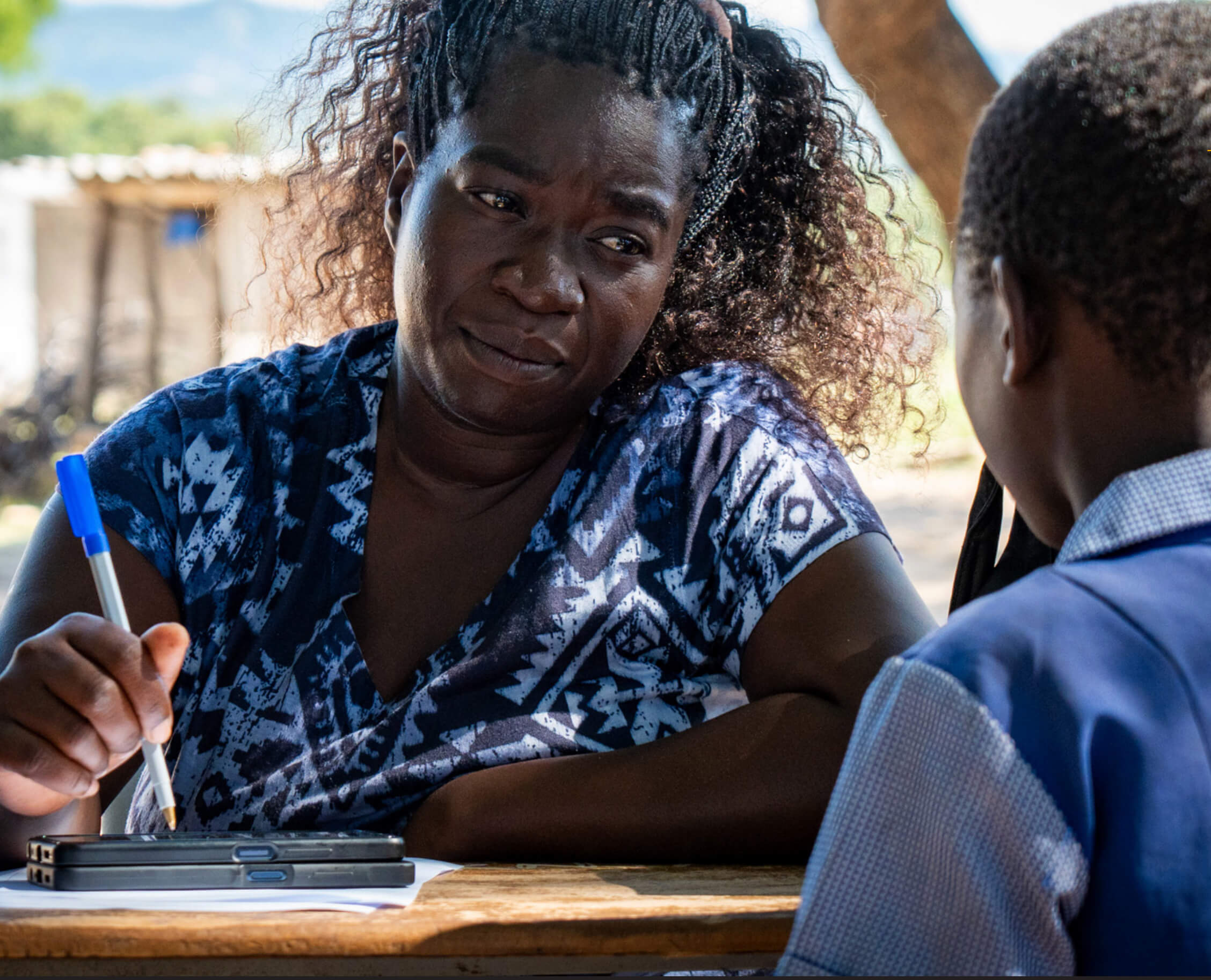
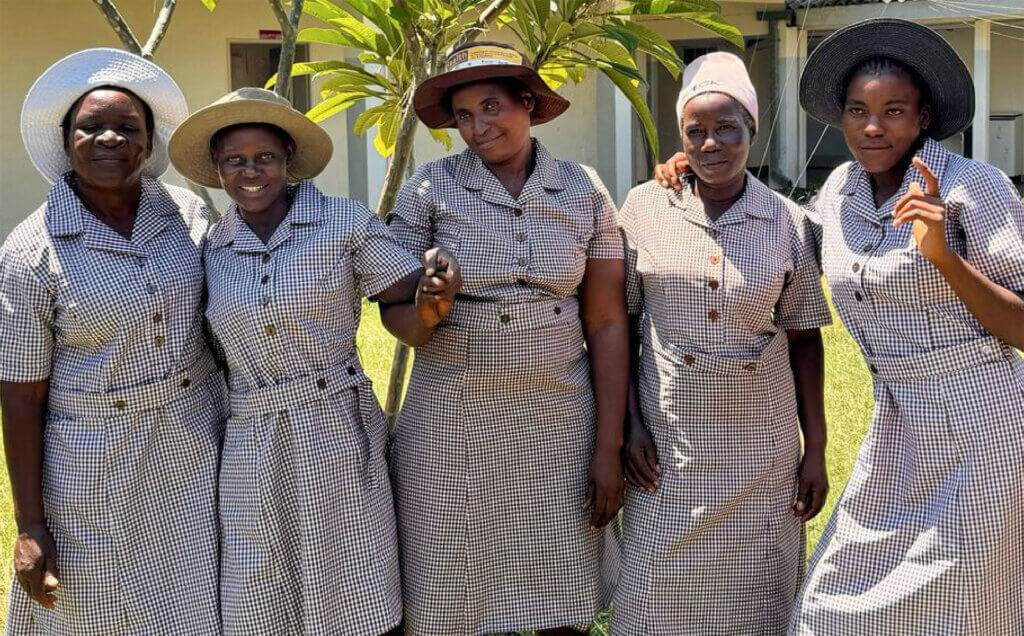
A Mobile One Stop Centre travelled to six remote communities in Nyanga North, bringing legal aid, health care, counselling and civil registration directly to more than 1,300 people who would otherwise be out of reach of government services.
In Nyanga North, essential services are scarce. Poor roads, long distances and the absence of phone networks or nearby police stations make it nearly impossible for many families to access health care, report abuse or secure basic documents. Identified as a hotspot for child marriage and gender based violence, the district shows what happens when state systems do not reach rural communities.
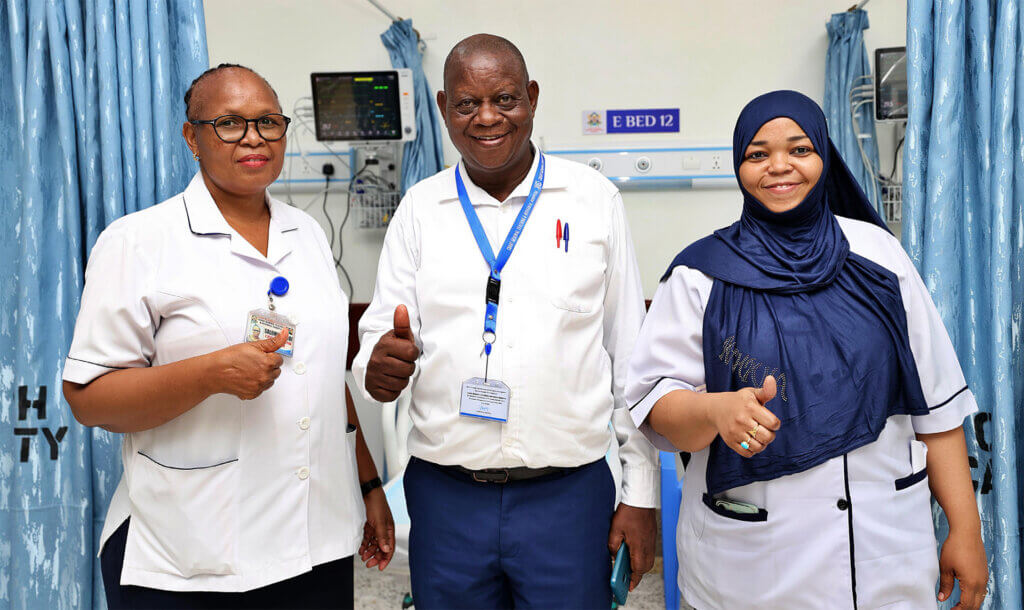
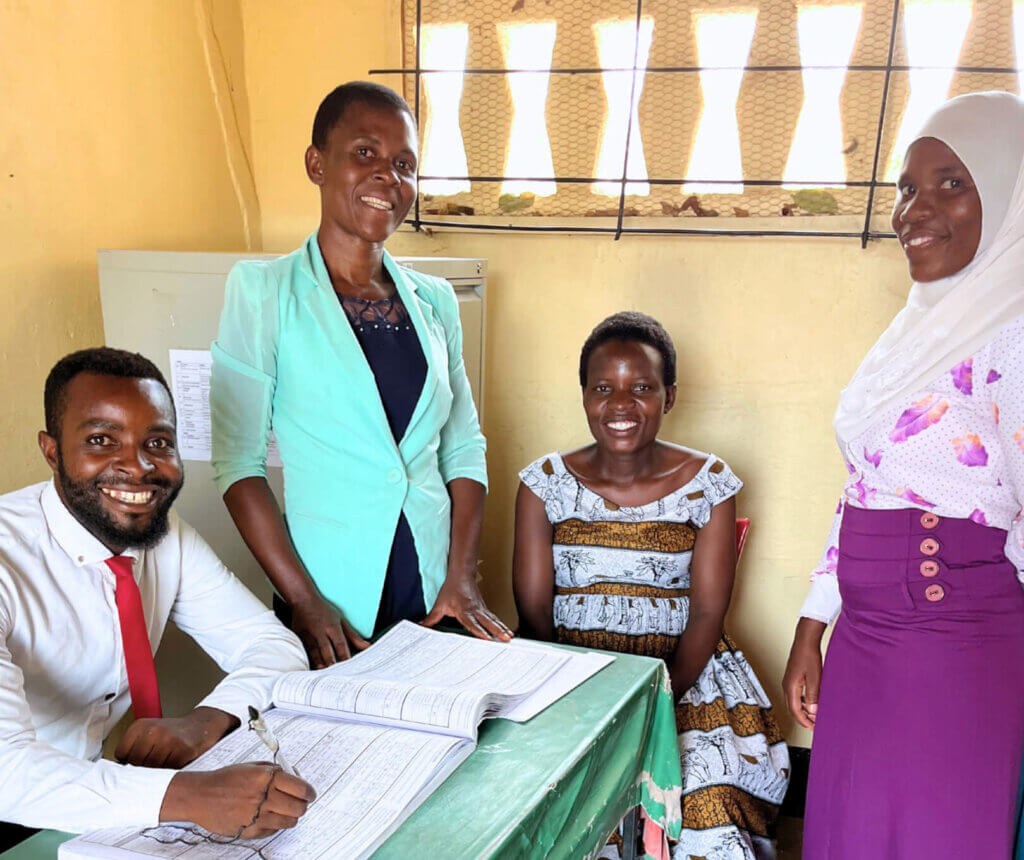
Over six days, the Mobile One Stop Centre brought multiple agencies together, from government ministries and the police Victim Friendly Unit to social services, health workers and legal aid organisations. In each village, services that usually exist only in urban centres were offered side by side: counselling, medical support, child protection, economic empowerment, legal advice and birth and ID registration.
The impact was visible in each community. At Avilla, a 21 year-old woman obtained her father’s death certificate, which unlocked her own ID and her infant son’s birth certificate. A 71 year old grandmother finally received the paperwork needed to apply for an ID and take part in national processes like voting.
In Kazozo, a nine year-old girl approached the Centre for help with problems at school, which led to the discovery of a complex case involving emotional abuse, child abandonment, child marriage and lack of documentation. In Ruwangwe, a pregnant teenager seeking to return to school was supported through a multi-agency case conference.
Each community revealed different patterns of need. In Mazarura, survivors of gender-based violence had begun forming informal groups for self help and were linked to empowerment support. In Katerere, more than 400 people attended, including one of the largest men’s forums yet held, where domestic violence emerged as a pressing issue. At Kambudzi, three cases of child marriage were reported in a single day, two of them anonymously, a sign that communities were beginning to speak out after years of silence.
Led by Zimbabwe’s Ministry of Women Affairs, the Gender Commission, together with UNDP Zimbabwe, the Mobile One Stop Centre has reconnected marginalised families to state systems, reduced barriers to documentation and protection, and showed that even in the most isolated places, coordinated services can be delivered effectively and equitably.