Zambia’s smallholder farmers are beating the worst drought in a century
Fields dried up, harvests shrank, and families faced tough choices about how to feed themselves.
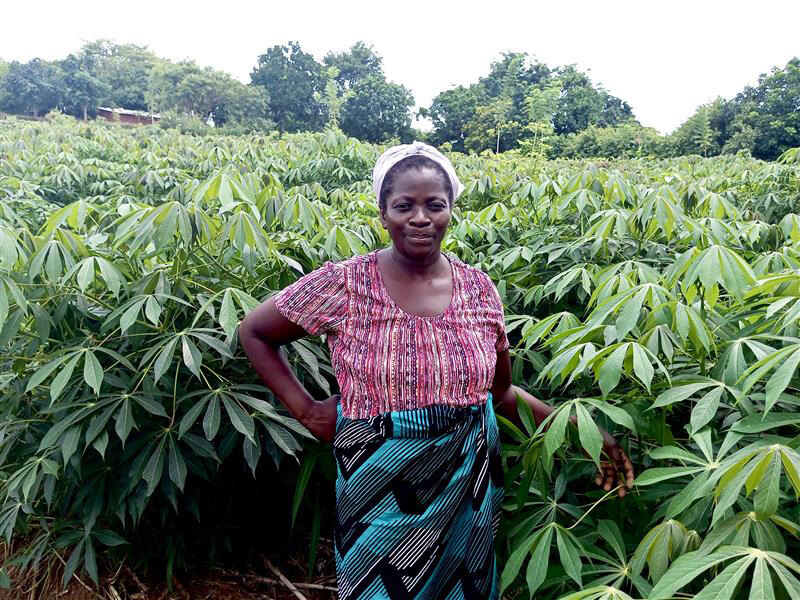
Magret Banda, 68, from Petauke district, has been farming for decades. When the rains failed last year, many farmers in her community lost everything. But Magret had something different. She had planted cassava, a drought tolerant crop that could withstand the dry conditions. With support from COMACO, Magret had adopted conservation farming techniques and turned to climate resilient crops. When the drought came, her cassava grew strong. Instead of losing her income, she expanded her farm, planting even more cassava on two additional acres.
“Cassava has a good market and has helped me earn money even during droughts,” she says.
Across rural Zambia, small-scale farmers are adapting to climate change with smarter farming techniques, many for the first time. And, in a nation where economic opportunities often favour men, more than 50% of COMACO’s farmers are women, meaning more girls are staying in school, more families are thriving, and communities are more resilient. Magret is part of a bigger movement in Zambia, one that’s building food security from the ground up.
In Zambia, Community Markets for Conservation (COMACO) is supporting over 340,000 small scale farmers to adopt regenerative agroforestry and transition away from practices that harm soil, forests and wildlife. Farmers gain higher yields and premium prices through COMACO’s “It’s Wild!” food products, linking conservation with sustainable livelihoods.