Eight urban innovations worth watching, from drone mapping to bio-based construction
Abi Taylor, Innovation Director at the Judith Neilson Foundation, is interested in what happens before an innovation becomes accepted: how promising ideas can be tested and adapted, and what’s needed for them to take root. That search has led to 8 new partnerships across care, disability inclusion, construction, mapping, public participation and the systems that help good ideas grow.
We spoke with Abi about the ideas that caught her attention, what they are testing and what she hopes to uncover next.
Why focus on fast growing cities?
Many of the pressures we care about converge in cities. Large cities are struggling to keep pace with residents’ needs, while smaller cities across East Asia, South Asia and sub-Saharan Africa are growing quickly. Housing, services and infrastructure are under real pressure.
But cities are also hotbeds of creativity and energy. They are places of possibility where unusual alliances form and things can change fast. Residents, local governments, entrepreneurs, researchers and community organisations are rethinking how neighbourhoods are mapped, how buildings are made, how care is organised and how people take part in public decisions. We want to create space for brilliant teams to test those ideas properly, adapt them to place and find out what it would take for them to last or grow.
What were you looking for as you built this first group?
The first group includes very different kinds of organisations and approaches. Some partners are developing a model or technology. Others are testing the structures that allow innovators to collaborate, attract investment or take an idea further. The innovators are working across community spaces, start-ups, NGOs and universities.
The common factor was a real unknown. Each partnership has a question at its centre. Can this approach work in a different context? Can an existing market operate differently? What kind of support will help a promising idea become viable? Is this possible? These are not grants to repeat something that’s already proven. They give partners room to test an assumption, adapt an approach and respond honestly to what they learn.
Just as importantly, the teams know the places and people involved. They have the local credibility, knowledge and relationships to work collaboratively, to change course when necessary, and to generate collective ownership. For me, this is what successful, sustainable innovation looks like in action.
How can innovations make cities more inclusive?
CHANGE is exploring what it means to build more caring cities. The Care Block model, pioneered in Bogotá, brings support for caregivers and the people they care for into local neighbourhood hubs. Through its global network of municipal governments, CHANGE is now helping cities in Sierra Leone, Kenya and the Philippines design and sustain versions that respond to their own needs, assets and opportunities.
What stands out is that the model is practical and people centred. It can make support easier to access, while recognising and celebrating work that is essential to city life but often invisible. Joy and solidarity are key to the way CHANGE approaches that work.
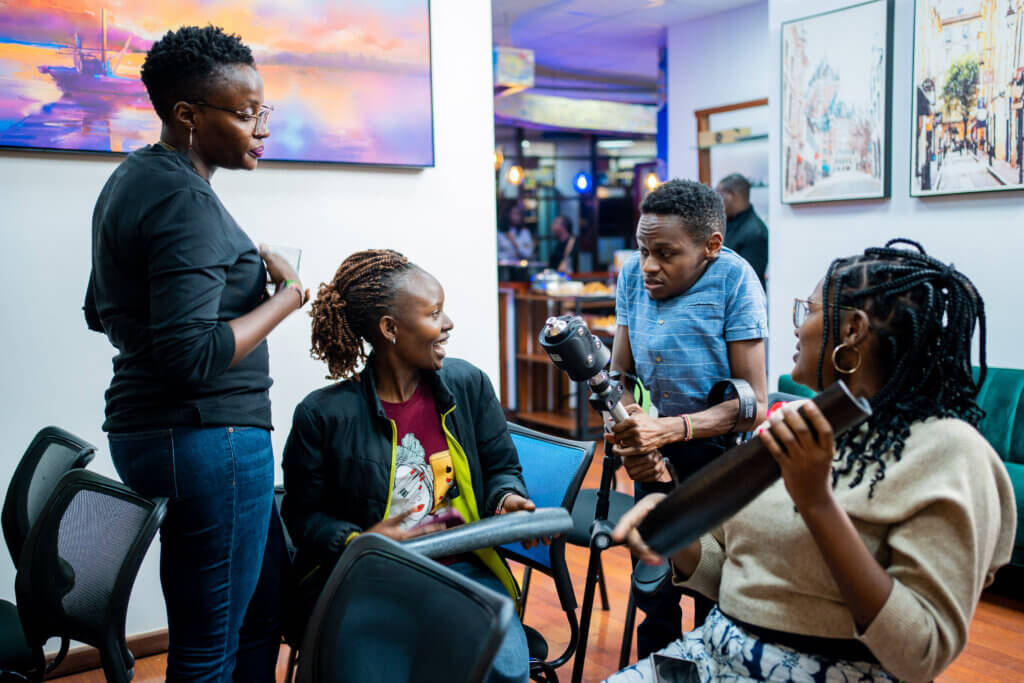
Disability inclusion raises a different question: how do early stage assistive technology ventures move from a promising product to a viable business? Through the Momentous Fund, Assistive Technologies for Disability is piloting Africa’s disability-led impact fund dedicated to early stage assistive technology ventures. Founders receive catalytic capital and venture support to refine their products, strengthen operations and attract further investment. There are layers of innovation. The startups are developing innovative products, while AT4D is testing what kind of investment vehicle, capital and support this market needs.
What interested you about changing the way cities are built?
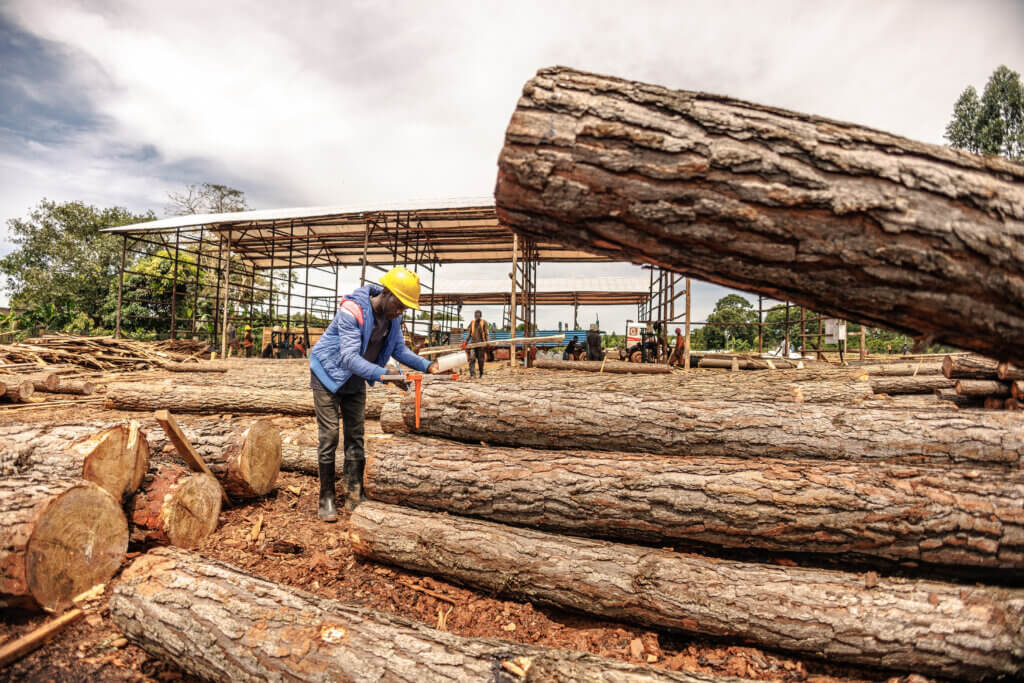
The material is only part of the story. Gatsby Africa is asking whether locally manufactured bio-based construction systems could expand access to safe, affordable housing in East Africa. It is working across the existing value chain, from plantations and manufacturers to regulators and developers, with a focus on engineered timber and other regenerative materials.
The potential is to reduce costs, shorten build times, lower carbon emissions and create skilled jobs. But the program is not assuming those outcomes. Over two years, it will run pilots and test the assumptions behind them. What drew us to the work is the market question. Can the existing value chain be unblocked so locally manufactured bio-based construction can be used more widely across East Africa? Can it be desirable? Can it be affordable? The program is designed to find out, rather than assume the model is already proven.
What changes when residents can map their own neighbourhoods?
In fast growing cities, neighbourhoods can change more quickly than conventional maps are updated. Without reliable information, it becomes harder to plan housing, services and disaster response, particularly in communities that have been overlooked.
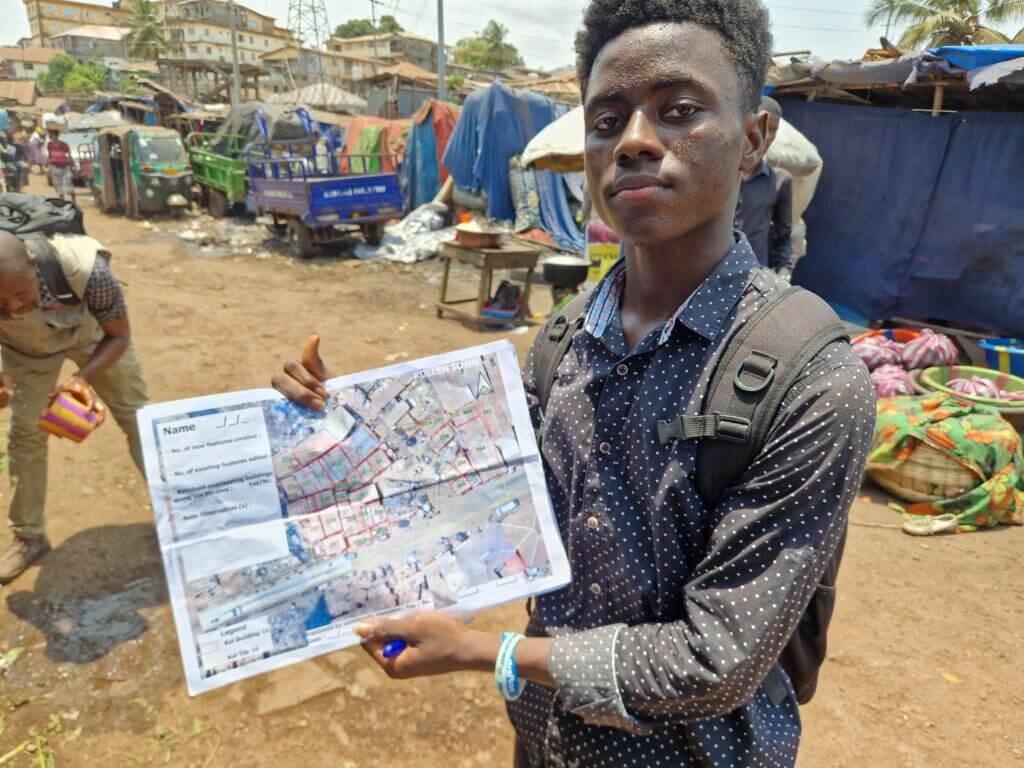
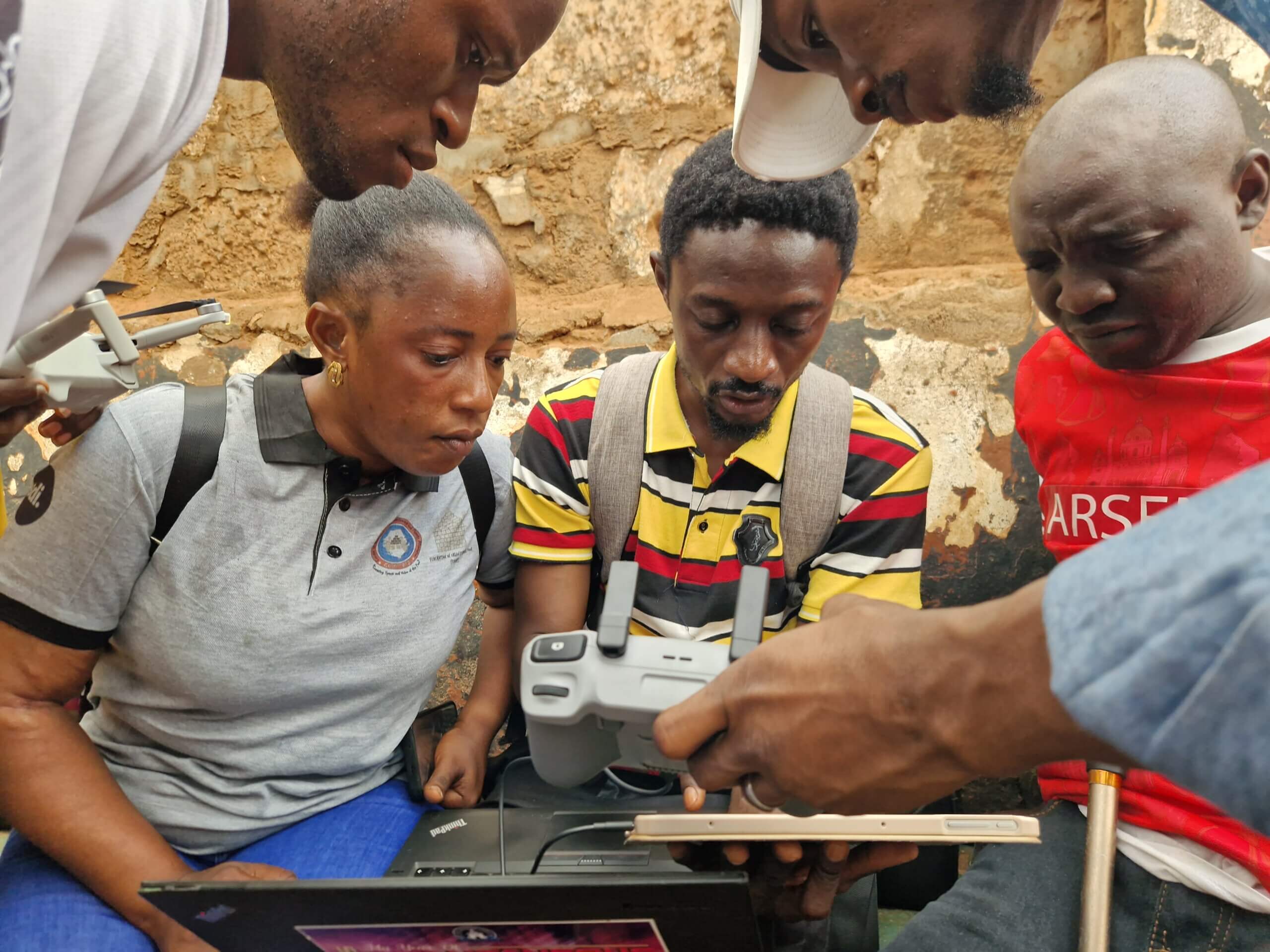
In Freetown, residents trained as drone pilots captured more than 130,000 high-resolution images, then converted them into detailed maps of the entire city. Humanitarian OpenStreetMap Team is now adapting that model in other Sierra Leonean cities and in Senegal. The model combines speed with local ownership. It can create more accurate and current information, while giving residents a role in producing the data used to make decisions about their communities.
And what drew you to Distant Voices?
Maps can show what is physically there. Citizen reporting can tell governments and organisations what people are experiencing, but only when the system can understand the languages and formats people actually use. Ushahidi has spent 17 years building open source infrastructure for citizen reporting across more than 160 countries. Distant Voices is the next generation of that platform. It uses artificial intelligence to transcribe, translate and analyse voice notes, text and images submitted through tools such as WhatsApp, including across multiple African languages.
The interest is not AI for its own sake. It is whether the technology can make it possible to hear from people who are often missed by conventional forms of public participation. That promise brings difficult questions about data ownership, community protection, ethical AI and responsible governance. Ushahidi is engaging seriously with those questions, which is central to whether the technology can be used responsibly.
What’s the role of research and universities within your strategy?
The Centre for Global Equality works with academic entrepreneurs to ensure that cutting edge research and innovation reaches the people who need it the most in fast growing cities around the world, from energy systems to circular manufacturing. Too much knowledge is locked in academic journals, intellectual property protection and restrictive academic contracts. But CGE helps universities position not just as knowledge centres and engines of economic growth and entrepreneurship, but as engines of positive social and environmental change.
The Million Lives Collective and Global Innovation Gathering support and sub-grant to other innovators. Why was that important?
These partners are each well positioned to support different types of innovators, at particular points on their innovation journeys.
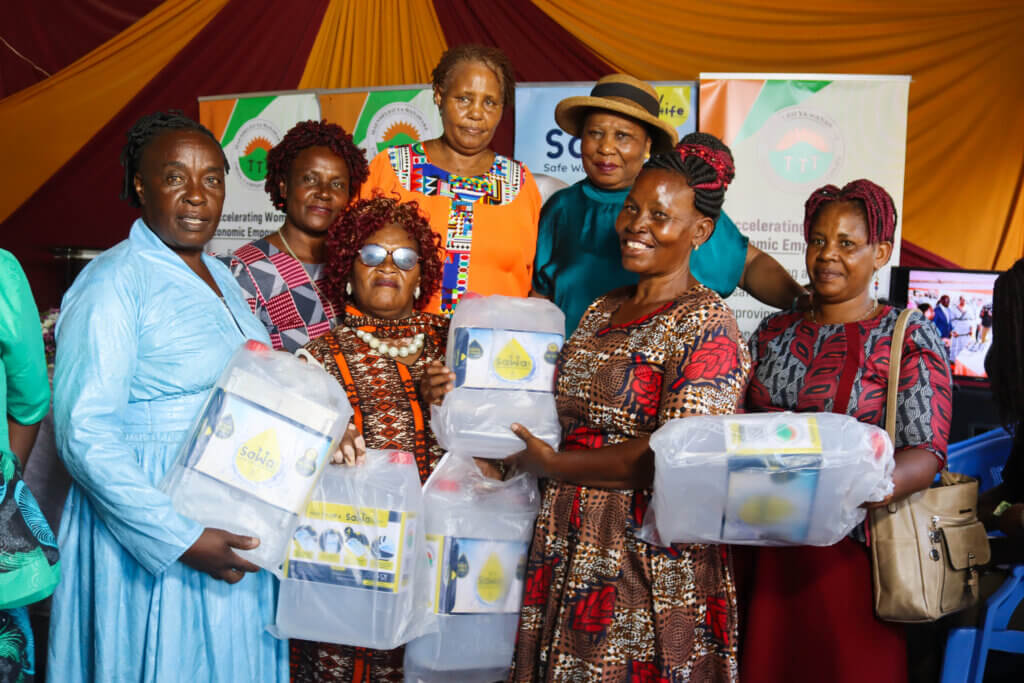
The Million Lives Collective’s African Cities Innovation Fund supports collaborations between urban innovators ready for their next stage and the organisations that can help them get there. The fund uses structured innovation sprints to help partners combine their strengths, enter a new context, find another application for their work or make a significant step up in scale. It funds the collaboration itself, creating space for proven innovations to combine strengths and work towards their next stage.
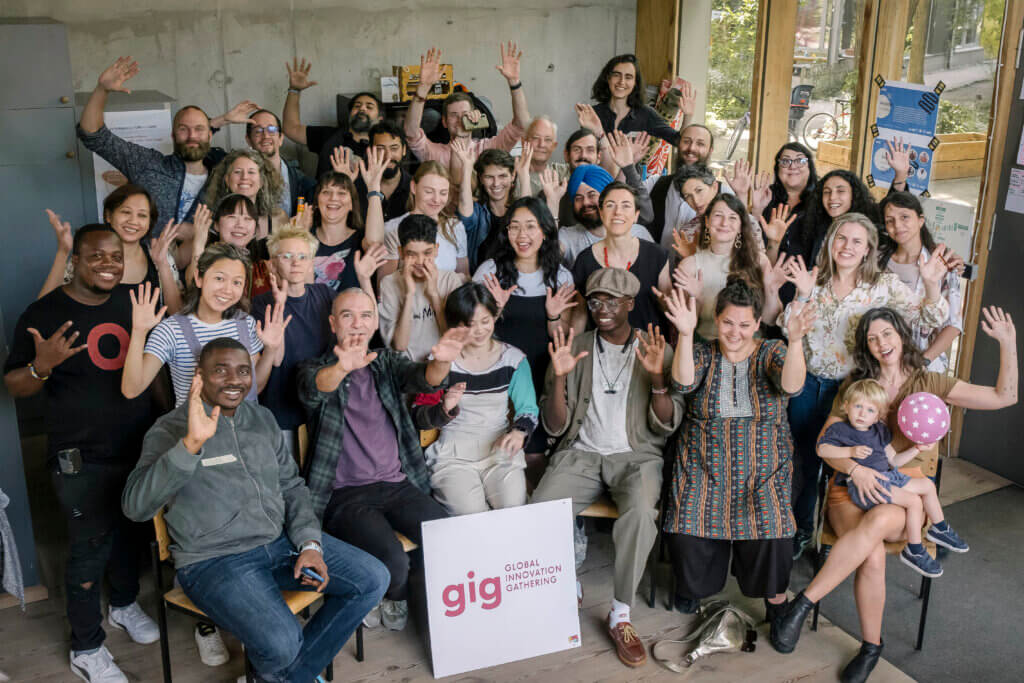
Global Innovation Gathering starts earlier. Its worldwide network connects local innovation hubs and makerspaces, while the GIG Fund provides small, flexible grants for ideas to be tested and refined in neighbourhood settings. Members decide what is supported, learn from one another and openly document their designs so others can use, adapt and improve them. They are locally rooted but connected to peers around the world. The trust within that network has made a genuinely participatory grantmaking process possible. GIG is testing a participatory way to support early-stage experimentation through a trusted global network.
These eight partnerships are very different. What holds them together?
They all have something important to test, and a credible way to do it. There is a clear proposition, but no predetermined answer. That is what we mean by strategic testing. We are backing work that moves beyond the routine delivery of a known model and into the unknown, with a clear way to learn and adapt.
The innovators’ connection to place also matters. These are not ideas being dropped into cities from a distance. The partners understand the context well enough to judge what needs to change, what should remain and who needs to be involved. Whether an idea works as expected or changes along the way, the knowledge, capability and trust built through the process should not disappear.
What makes you stop and pay attention to a new idea?
I pay attention to teams that are bursting with ambition for their cities. It takes creativity, capability and commitment to test radically new ideas. The most inspirational teams are often the ecosystem builders well beyond their own innovations.
Deep connection to place and lived experience are also critical. That could be an innovator or an intermediary organisation, working through a startup, municipality, university, makerspace, network or non-profit. We are always interested in new ideas and opportunities that resonate with the direction of this emerging portfolio.
To share an idea or recommend an innovator, contact innovation@judithneilsonfoundation.org