Save the Children
FutureGuard: Strengthening malaria care for children in Malawi
Malaria remains one of the leading causes of illness for children in Malawi, disrupting both health and education outcomes for thousands of families each year. For many children living in rural communities, distance from health facilities can delay treatment and increase the risk of severe illness.
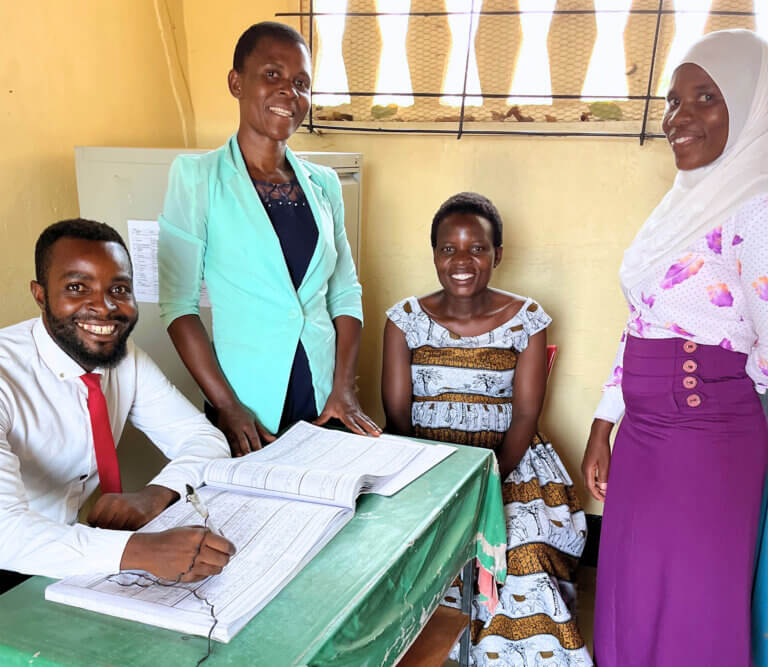
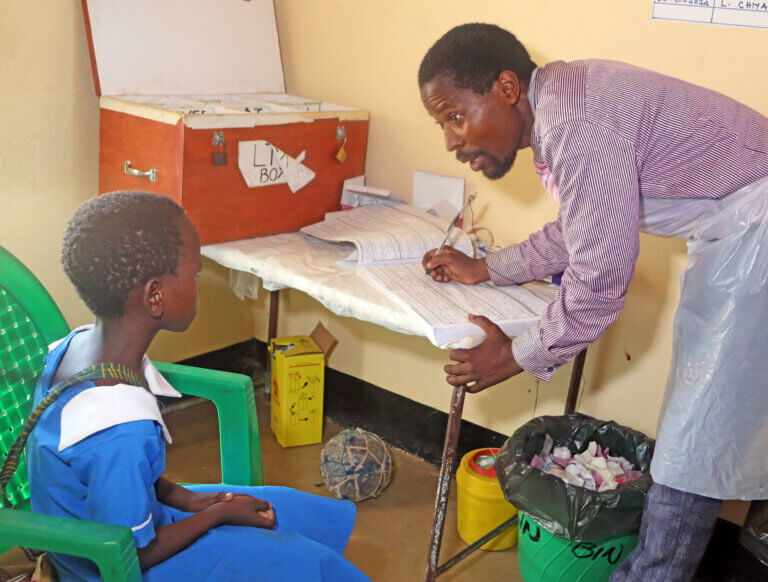
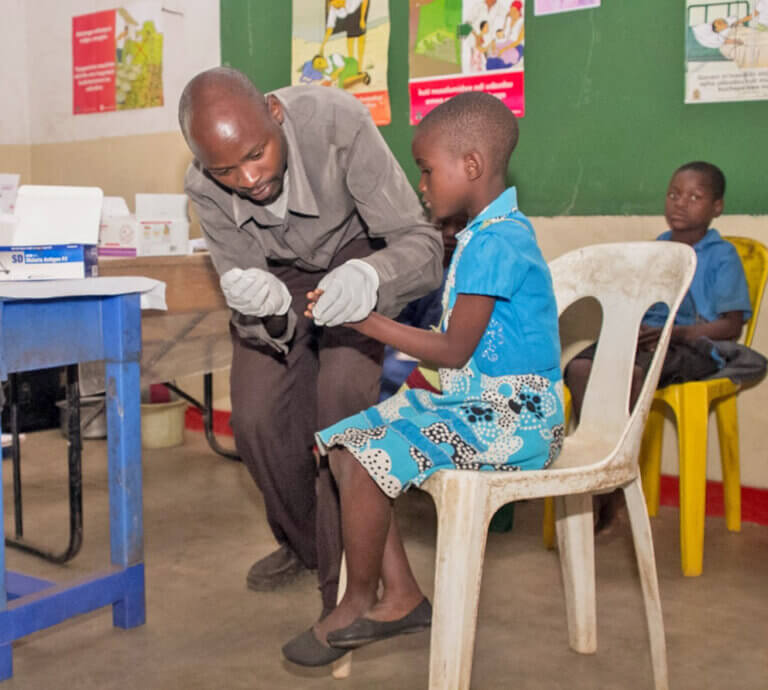
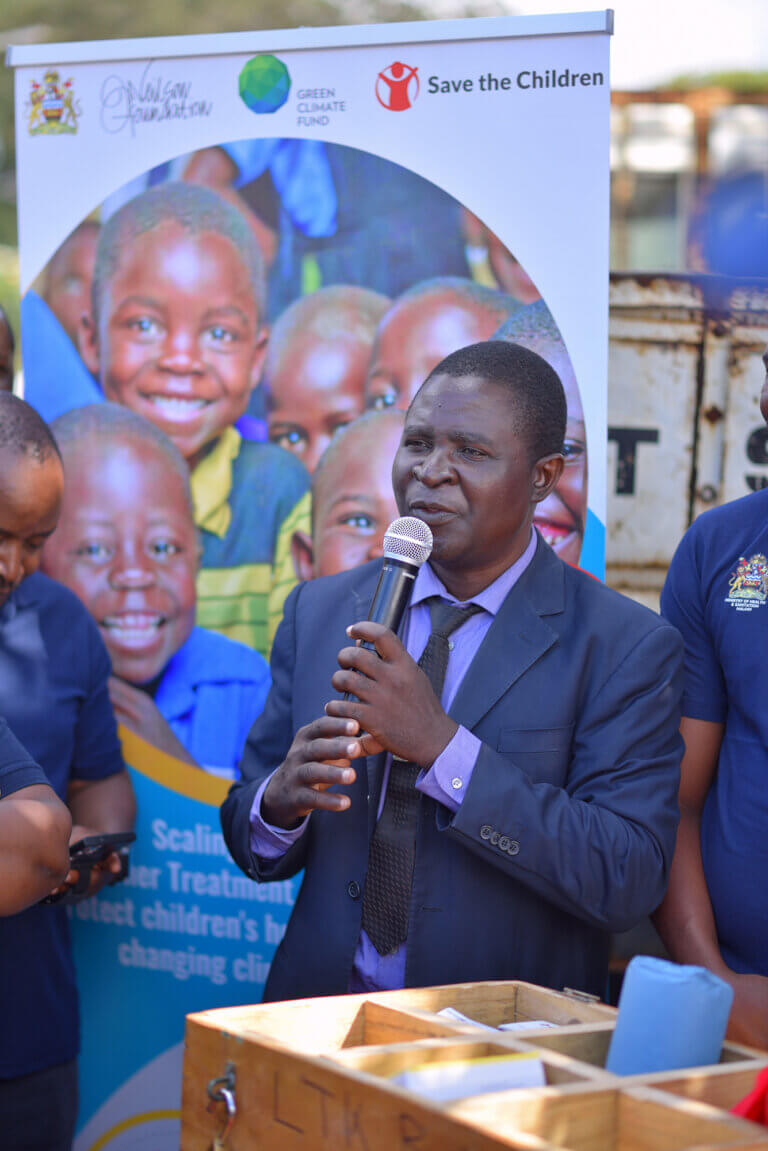
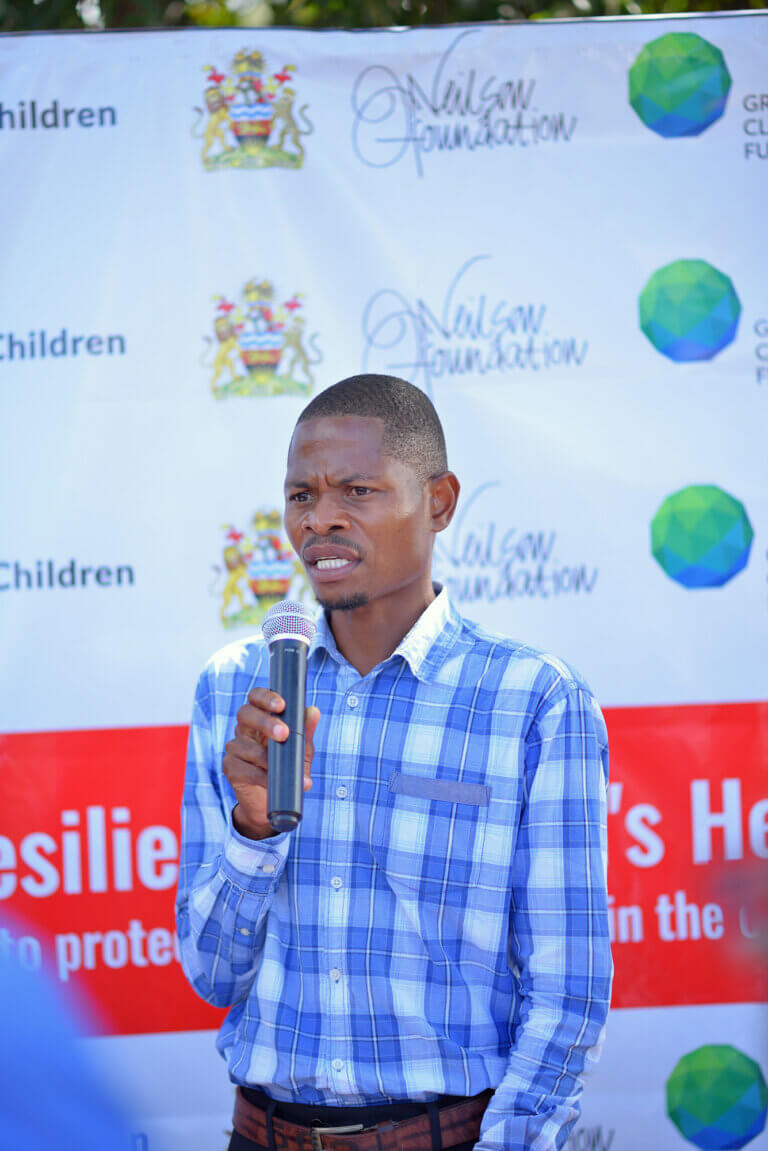
Through our partnership with Save the Children Australia and the Government of Malawi, children are receiving malaria treatment closer to home through schools and communities. Teachers are being trained to diagnose and treat uncomplicated malaria in schools using Learner Treatment Kits, helping children access care quickly without missing valuable time in the classroom. Community health workers are also extending treatment to younger children through village clinics.
Our partnership is now expanding through FutureGuard, which strengthens the links between schools, communities and local health systems through improved digital reporting, faster referrals and stronger service delivery. Building on early success, including a 44% reduction in malaria cases at local health centres as treatment moved closer to children, the initiative is helping Malawi deliver care earlier, closer to communities and at greater scale. It is being implemented alongside the Green Climate Fund’s broader investment in health systems.
Read the story /
Malawi launches FutureGuard initiative to strengthen malaria care for children
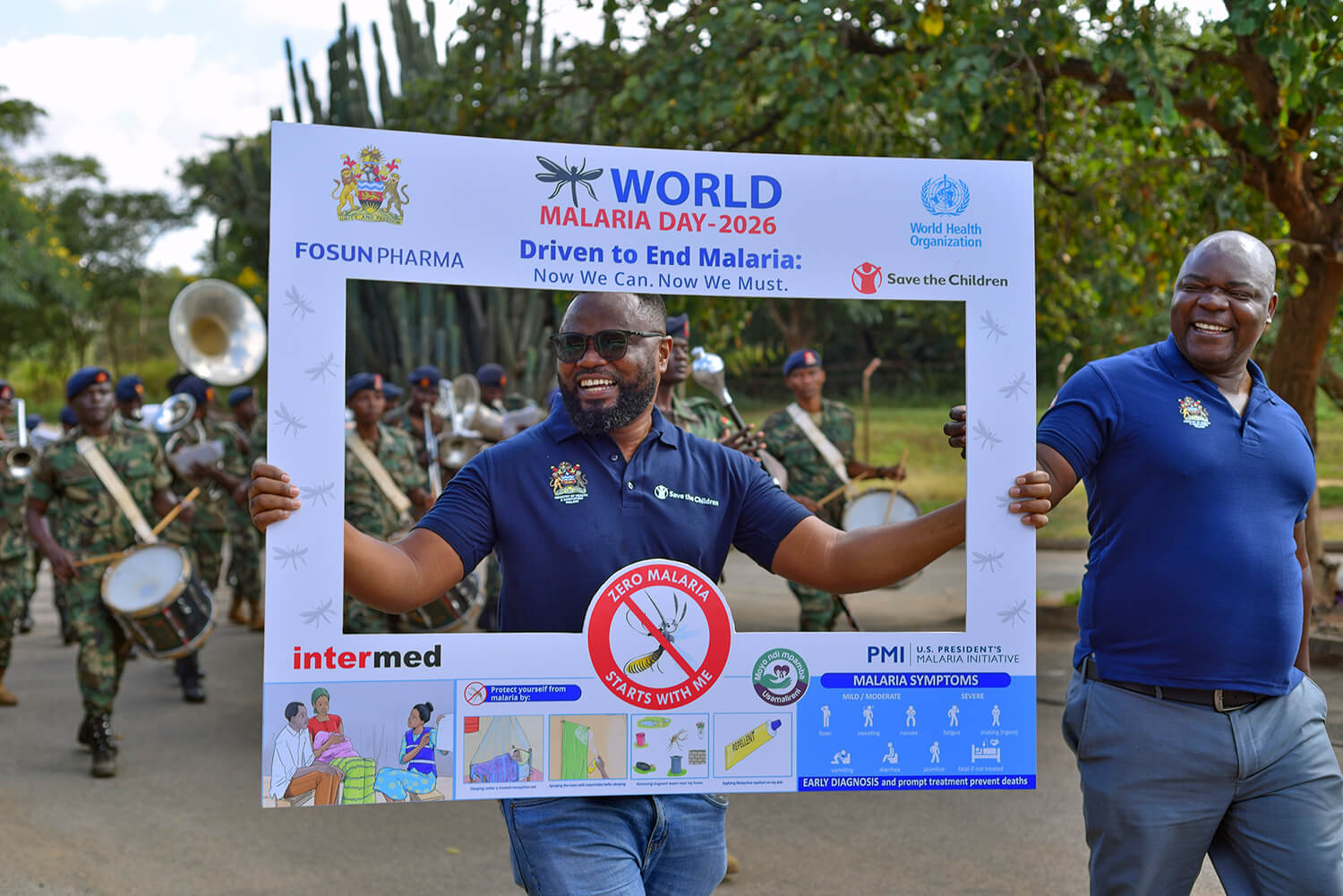
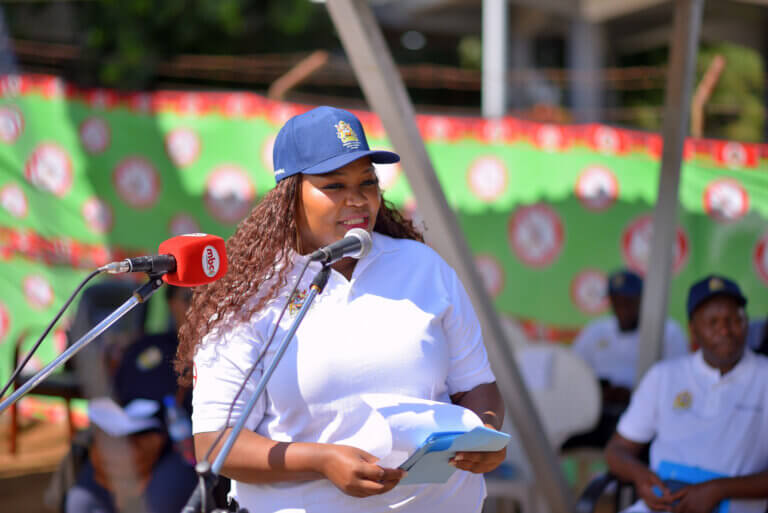
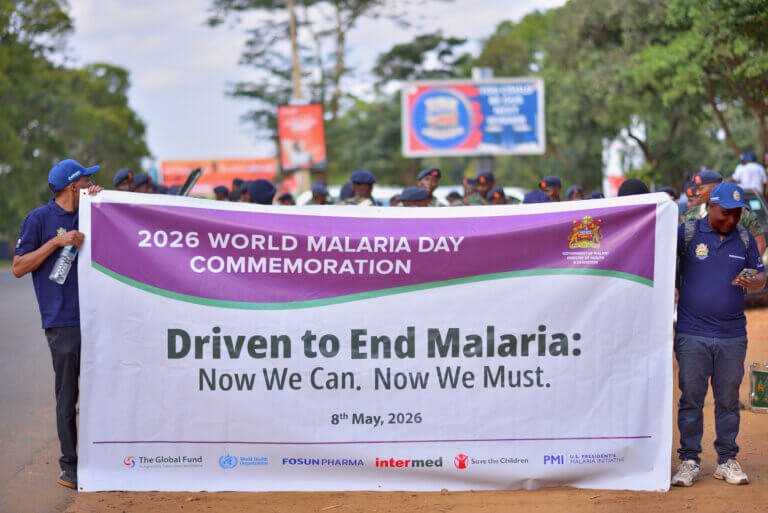
Malawi has launched FutureGuard, a new initiative helping bring malaria care closer to children. The initiative was officially launched by Malawi’s Minister of Health, the Honourable Madalitso Baloyi MP, during national World Malaria Day celebrations in Lilongwe.
FutureGuard strengthens connections between schools, community health workers and local clinics to help children access malaria care sooner, particularly in areas where outbreaks and extreme weather can disrupt access to healthcare.
At the centre of the initiative is the Learner Treatment Kit model, which trains teachers to diagnose and treat uncomplicated malaria in schools, while referring severe cases for further care. The program also supports community health workers to reach children under five and strengthens the digital systems connecting schools and clinics to improve outbreak response and continuity of care.
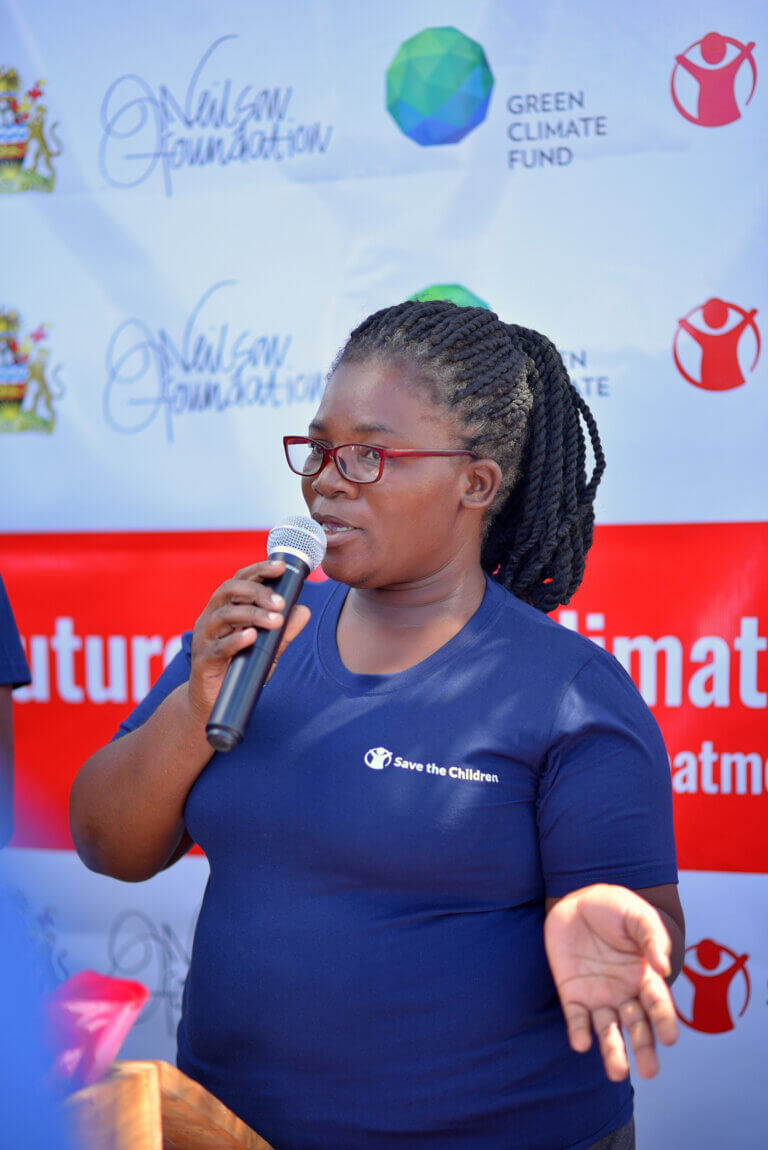
Led by Save the Children and implemented with Malawi’s Ministry of Health, FutureGuard is supported through complementary investments from the Judith Neilson Foundation and the Green Climate Fund to strengthen climate-resilient health systems.
How schools and communities are changing the course of malaria
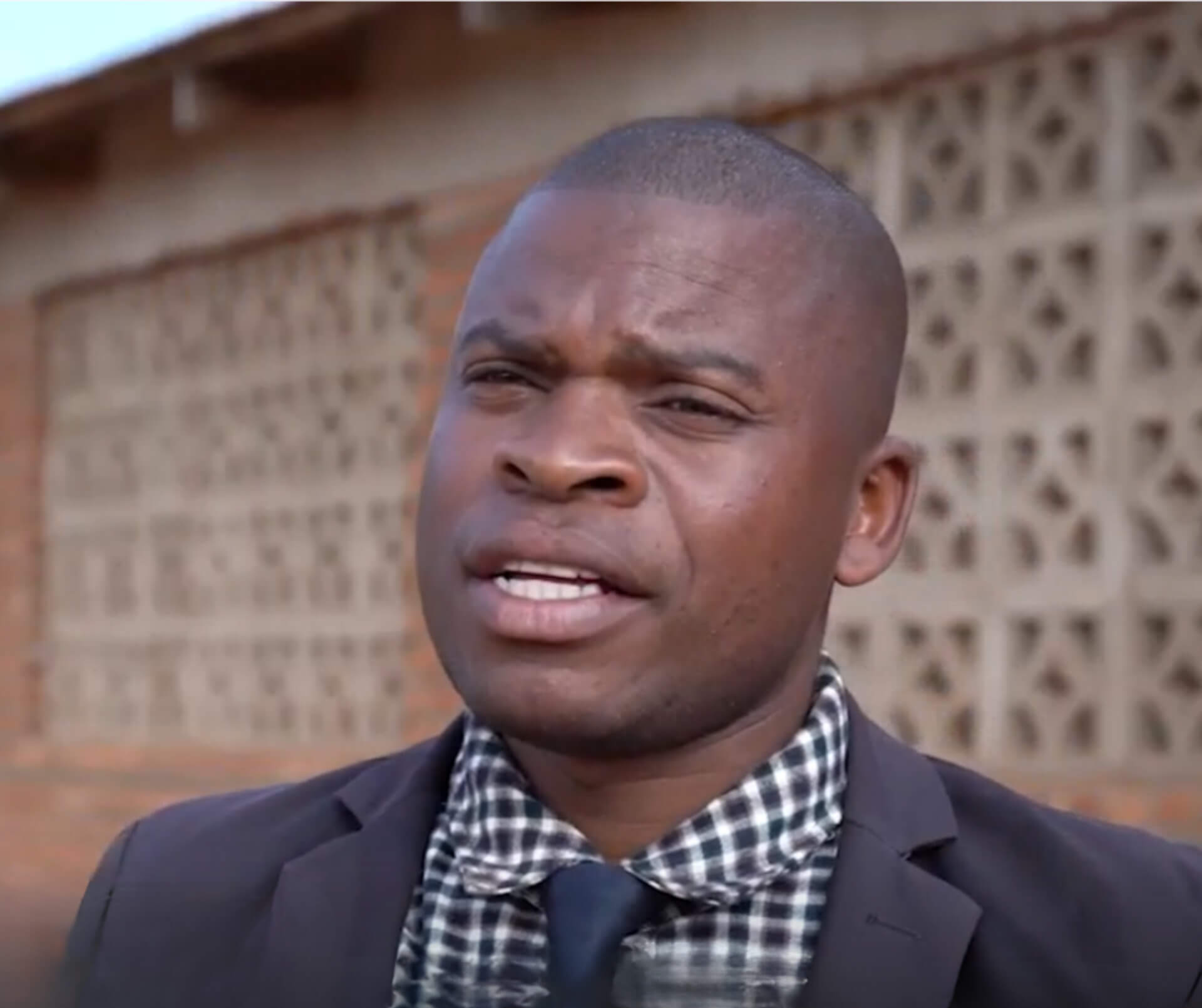
In the remote village of Namatiti in southern Malawi, malaria was part of daily life. For schoolchildren it meant missed lessons, long walks to distant health clinics, and, at times, dangerous delays in treatment.
At school, sick children queued in a cramped teachers’ office, waiting for care.
Sometimes a child would be unwell, but you couldn’t attend to them immediately because the room was in use. It delayed care, and that was frustrating,
said Deputy Headteacher Omar Nseula.
The response came from the community itself. Parents and elders built a dedicated health block, while Chief Muchilani donated land for maize to support school meals. “No child should be sick and hungry at the same time,” he said.
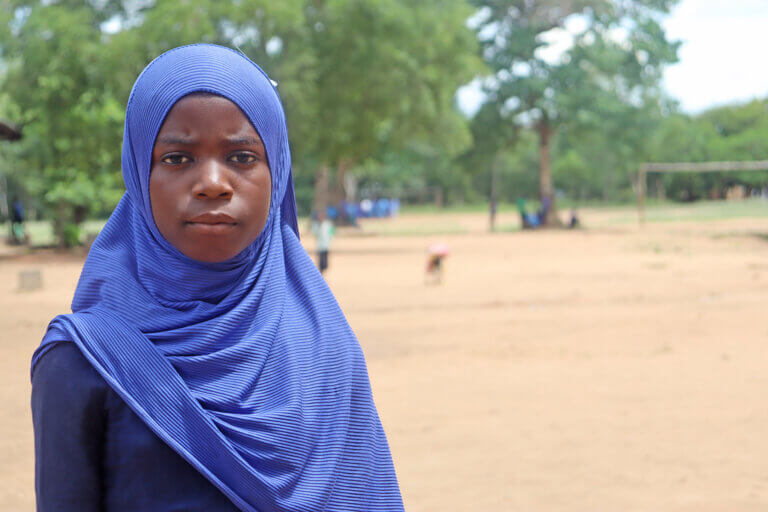
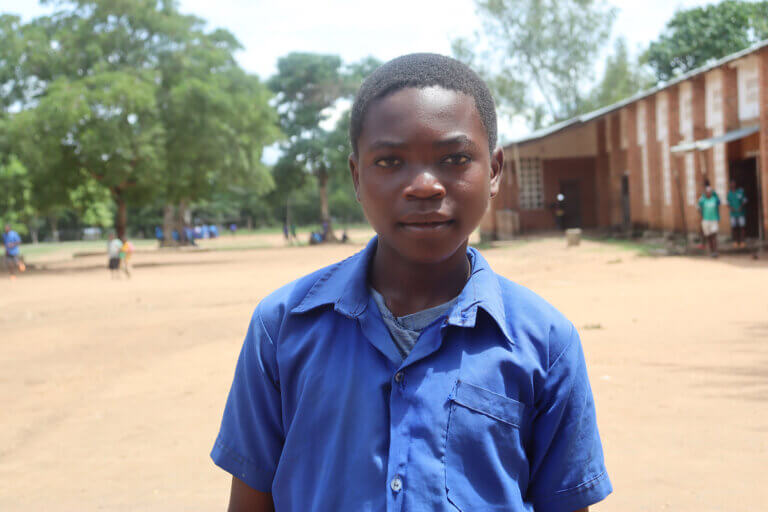
For students, the changes have turned school into a place of both care and learning. “Before, we had to walk 11 kilometres to the nearest health centre. Now, with treatment here at school, our parents save money and time,” said 16 year old Isaac.
Fourteen year old Tereza added:
We used to end classes early because we were too weak to learn. Now I stay in class the whole day. I eat. I learn.
By July 2025, 600 teachers trained as Learner Treatment Kit Dispensers had treated more than 99,374 children in Machinga and Zomba. In Machinga alone, 120 schools (over half the district’s total) were part of the program. More than ten schools have since built their own learner treatment rooms with community support. Officials report that severe malaria cases are falling as children are treated earlier. “We used to receive children in critical condition, now many are treated early, right at school. Children are taking what they learn back home,” said Dr Jones Chise, Director of Health and Social Services.
The initiative is now embedded in Malawi’s health and education systems. National guidelines and training manuals have been finalised, ministries have pledged continued support, and the University of Malawi is developing a digital platform for real time monitoring. “Absenteeism is down. Performance is up. Even teachers say they now know how to care for their own families better because of the training,” said Douglas Namikungulu, Chief Education Officer for Machinga.
Across Malawi’s schools, Save the Children is training teachers to diagnose and treat malaria through its Learner Treatment Kit program. By reaching children directly in schools , the model is reducing illness and absenteeism while demonstrating the value of integrating health and education.
Empowering teachers to fight malaria in Malawi
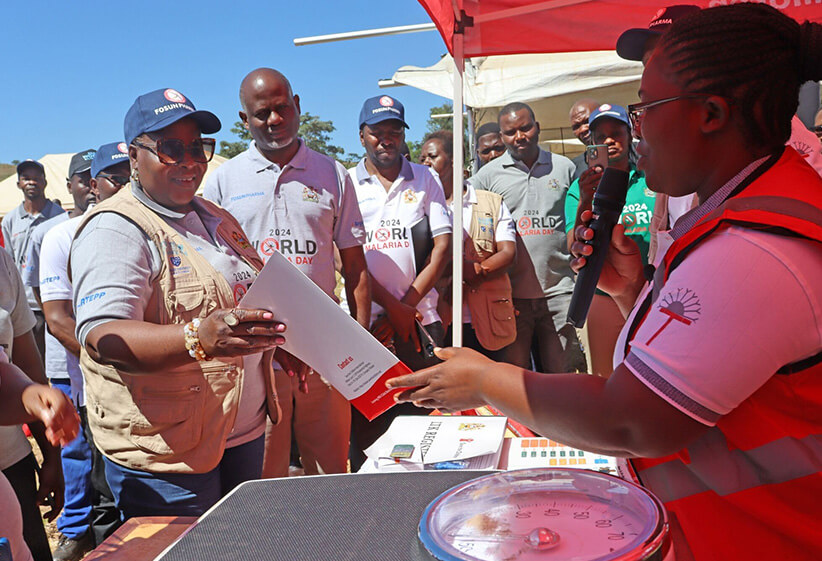
In Malawi’s Zomba and Machinga districts—regions where malaria poses a severe threat—Save the Children’s Learner Treatment Kit initiative is proving transformative. Over the past nine months, 400 teachers across 100 schools have been trained to dispense life-saving treatment, diagnosing and treating 14,165 malaria cases.
By providing 125,276 school children with free and timely access to malaria testing and treatment, the program has significantly reduced absenteeism and brought more consistent access to health services within schools. What sets this initiative apart is its alignment with Malawi’s national health and education systems.
Endorsed by Malawi’s Minister of Health, Hon Khumbize Kandodo Chiponda, as “one of the best intervention initiatives” for managing malaria, the program is gaining national and international attention. The Learner Treatment Kit program is a powerful example of how integrated solutions can address pressing health challenges while building the foundation for broader educational success.