Refugee Advice & Casework Service
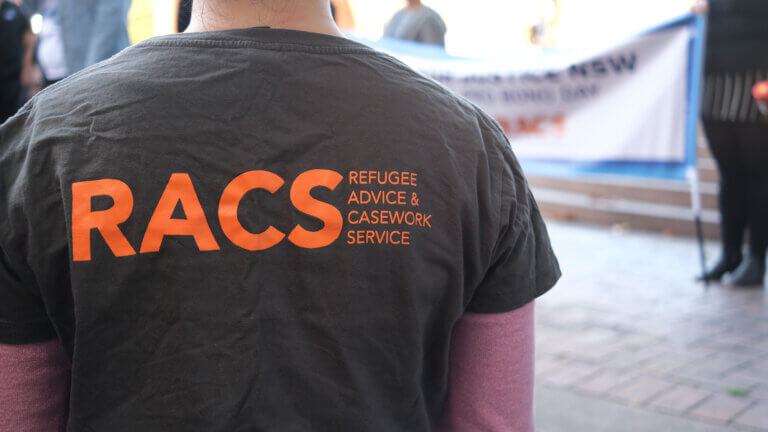
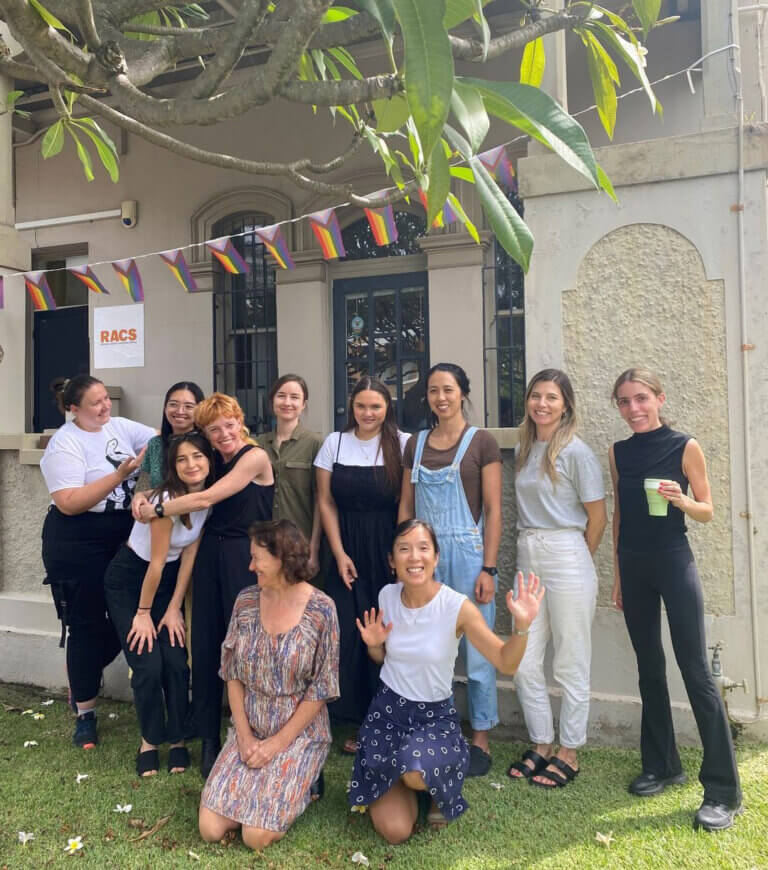
People seeking asylum are among the most vulnerable in Australia’s legal system. The Refugee Advice and Casework Service (RACS) exists to ensure they are afforded fair and equal access to justice. As a community legal centre, RACS offers free legal advice, assistance and representation for financially disadvantaged and vulnerable people seeking asylum in Australia.
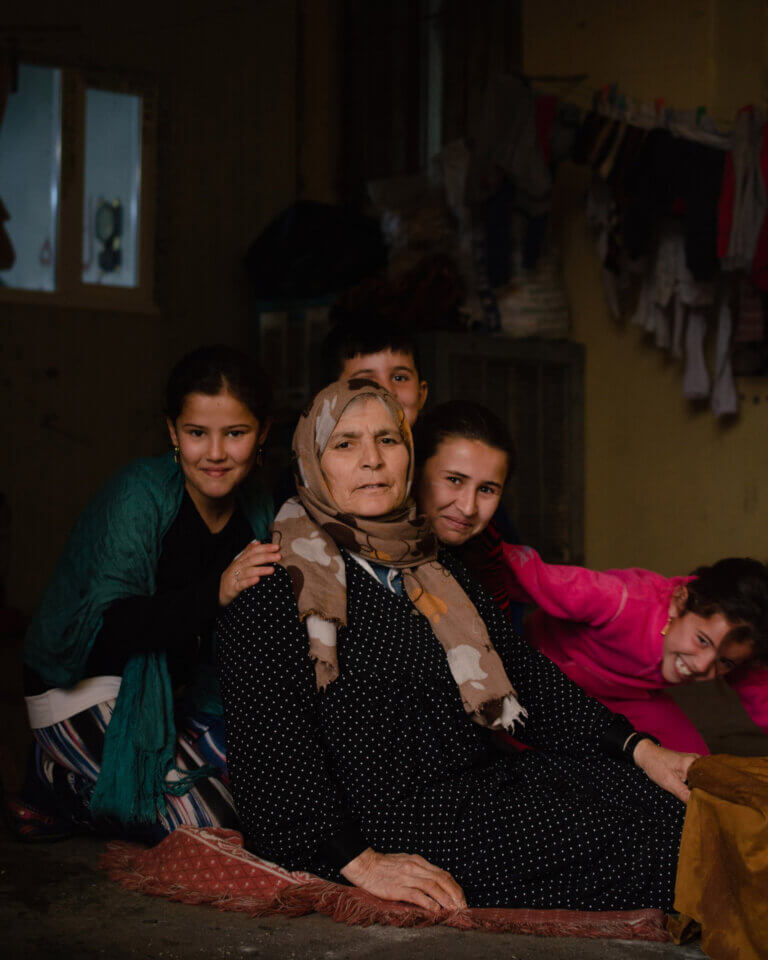
Our partnership invests in the ‘Women at Risk’ initiative, aimed at providing specialised legal advice to women and their children seeking asylum, with an emphasis on women experiencing or at risk of domestic, sexual or gender-based violence, to secure their safety and rights. The aim is to help them find safety and protection in Australia.
The Judith Neilson Foundation is proud to partner with RACS, and shares in their vision to achieve justice and dignity with and for refugees through the Women at Risk initiative.
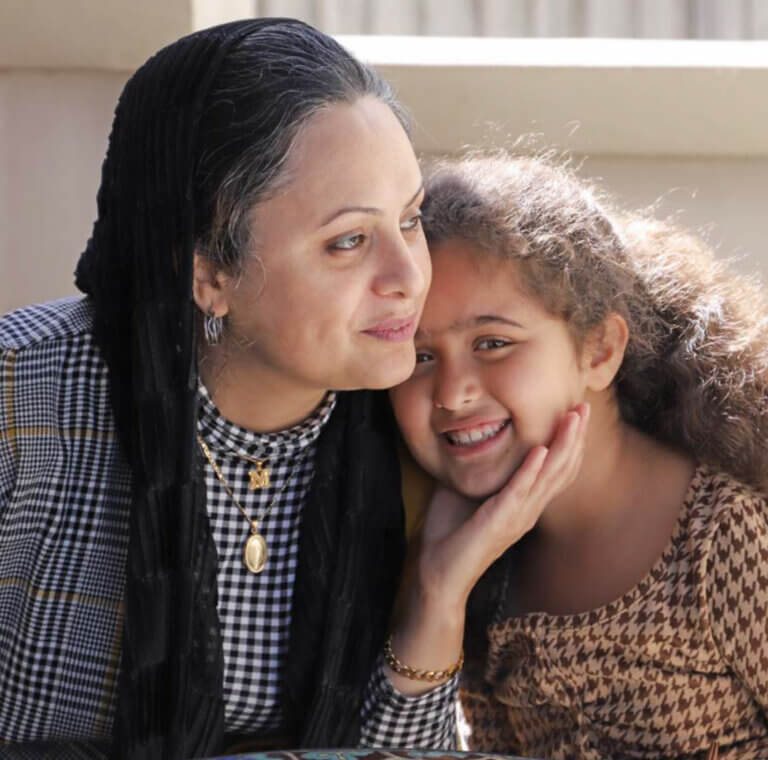
Read the story /
The long road to protection
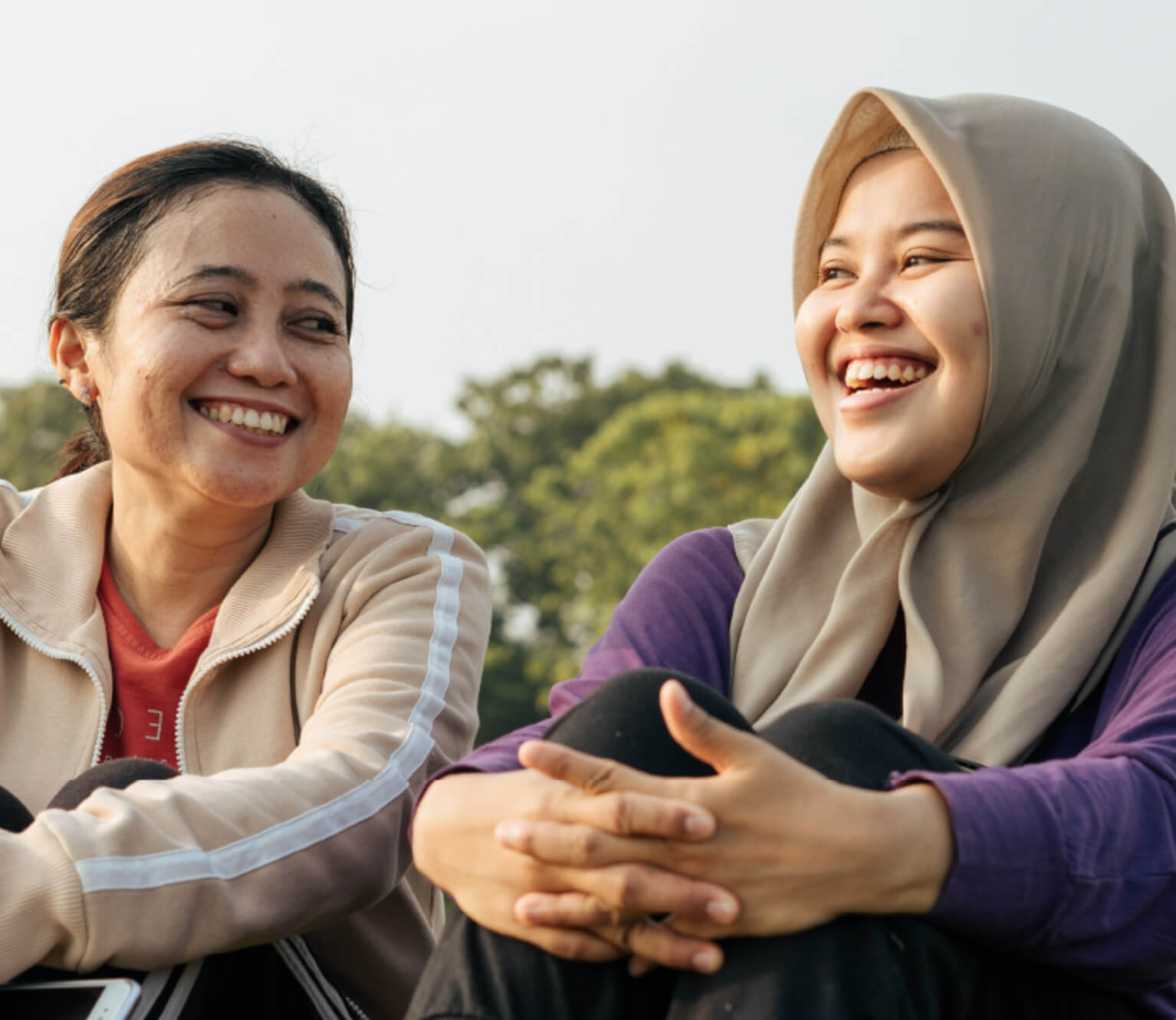
In her home country, Jenna and her children were subjected to violence and abuse from her husband.
The family moved to Australia almost a decade ago, but the violence continued here. Following the birth of her third child, Jenna was feeling increasingly afraid for her family’s safety. With the support of a friend, Jenna reported her husband’s violence and was given safe accommodation. He was eventually detained and deported for repeatedly breaching the Apprehended Domestic Violence Order against him.
In late 2024, Jenna was scheduled to attend a hearing on her protection application at the Administrative Review Tribunal. She came to RACS for help.
By this point, she had been living in Australia for over seven years, was a single mother of four children, and heavily pregnant with her fifth. She was isolated and faced language barriers, especially in navigating the asylum process. Jenna continued to fear harm from her first husband if returned to her home country. She didn’t want to lose custody and guardianship of her children.
In all this time she had had yet to receive detailed advice and assistance with her family’s protection claims.
Through the Women at Risk program, RACS was able to clarify her circumstances and prepare a comprehensive statement of claims. Her lawyer helped Jenna safely collect evidence of harm suffered by her and the children. Her lawyer was also able to ensure the Tribunal included all her children in the application.
Jenna’s RACS lawyer prepared detailed legal submissions and represented her at the hearing. With complexities around Jenna’s family size and multiple applications previously lodged, Jenna’s lawyer was able to effectively guide the Tribunal around the material.
In 2025, Jenna and her lawyer received the positive Tribunal decision: her matter had been remitted with the children. But the journey was not yet over. She still had to satisfy health and character checks. After assembling the fees for health examinations for herself and the children, Jenna waited for the Department to grant the permanent protection visa. While they waited, Jenna’s lawyer ensured their welfare was being managed and they were well connected with support.
Finally, in late 2025, the Department granted their permanent protection visas. Jenna’s lawyer was able to deliver this news to her on the phone, with Jenna relieved and grateful for the work that had been done to support her and her family.
Women seeking asylum in Australia face overlapping risks such as gender-based violence, poverty and visa uncertainty. Through its Women at Risk program, the Refugee Advice and Casework Service provides free, specialist legal clinics where women seeking asylum can safely get help and be heard.
Each consultation takes place in a supportive, trauma-informed setting, where women can discuss visas, safety and family protection with lawyers who understand their experiences. The service achieves lasting legal outcomes, such as permanent residency for survivors, while helping women rebuild a sense of safety, stability and control over their lives.
Name changed to protect privacy.
Safer Futures Toolkit. A new national resource for frontline workers
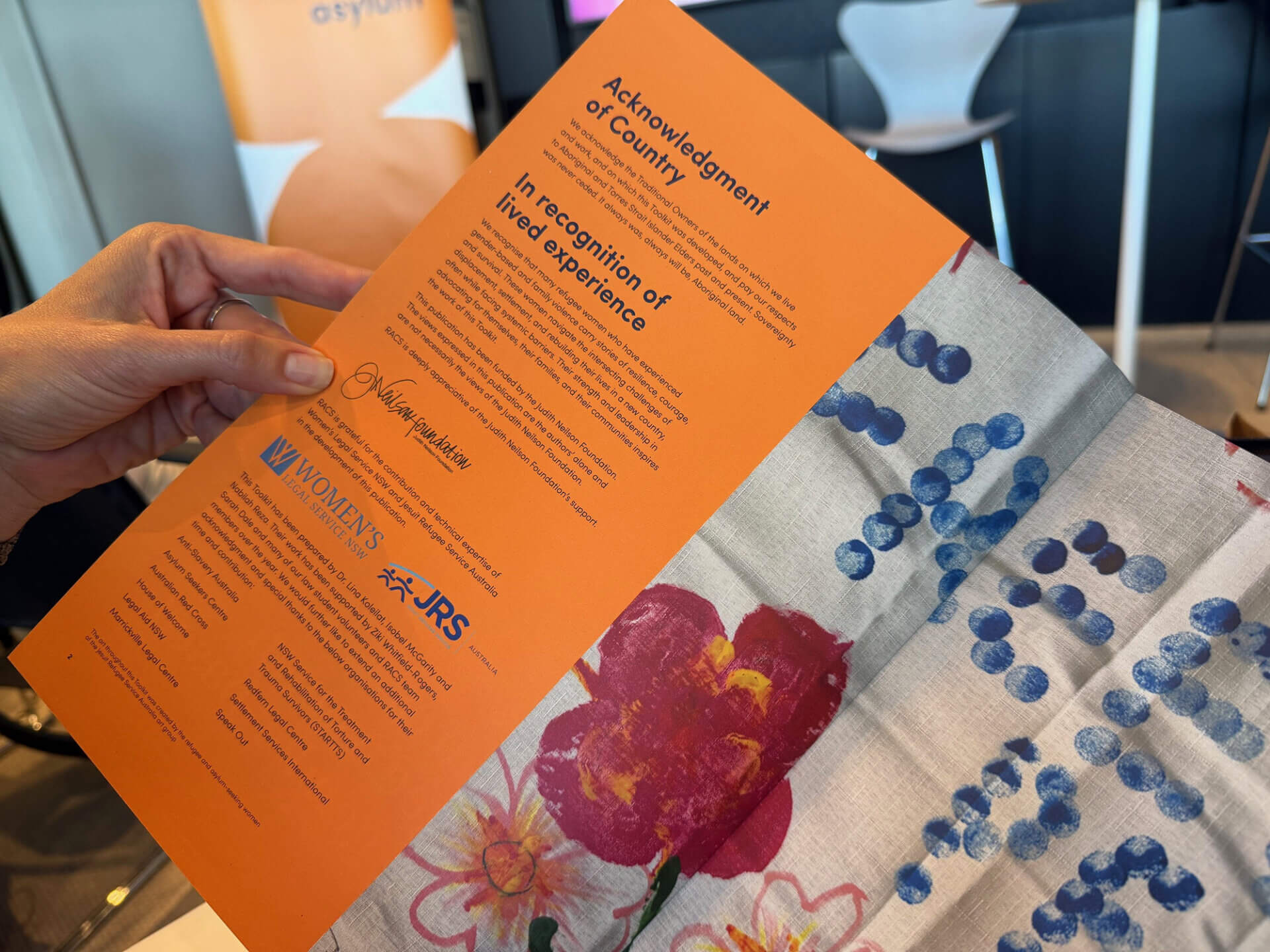
Refugee women often carry the weight of trauma, fear and uncertainty when seeking help. The Safer Futures Toolkit, launched by RACS is helping frontline workers recognise that and respond with care.
Co-designed with refugee women and developed with partners including the Service for the Treatment and Rehabilitation of Torture and Trauma Survivors, the Toolkit offers clear, practical guidance for lawyers, caseworkers, health staff and interpreters supporting women at risk of gender-based violence. It shows how small changes, from language and setting to timing and tone, can transform a woman’s experience of safety and trust.
The Toolkit brings together insights from hundreds of women with lived experience and is already being used across Australia to strengthen trauma-informed practice. It is part handbook, part reminder: that every service encounter is a chance to restore dignity, agency and hope.
Maggie stood against violence and is rebuilding her life in safety
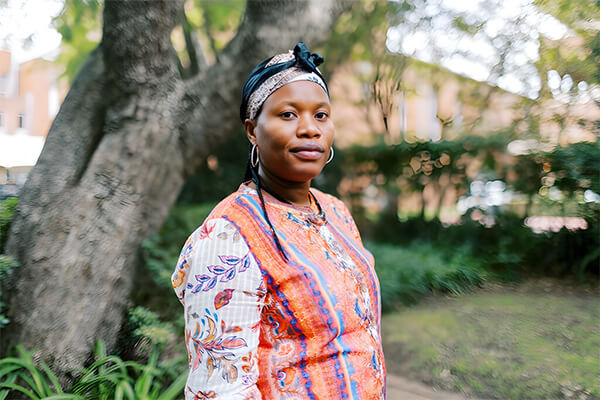
Maggie’s career as a sports journalist in Sierra Leone ended abruptly when her advocacy against female genital mutilation made her a target. After surviving a violent, targeted attack, she fled her home, eventually seeking refuge in Australia. But safety proved elusive. Her initial application for asylum was denied, leaving her homeless and vulnerable on the streets of Sydney.
With the support of the Refugee Advice and Casework Service (RACS), Maggie appealed her case to the Administrative Appeals Tribunal. Her solicitor worked tirelessly to gather the evidence needed, and this time her claim for protection was accepted. For the first time, Maggie felt her story was believed. “I cried because Australia has believed my story. For once, I will be accepted in this country,” she said.
Maggie has since rebuilt her life and is using her experience to help others. Now employed by the Jesuit Refugee Service, she advocates for women and girls seeking protection, offering the same support that once saved her.
Her journey highlights the essential role of legal advocacy in providing not just safety, but the opportunity for women to rebuild their lives with dignity and purpose.
I cried because Australia has believed my story. For once,
I will be accepted in this country.
Maggie