
Justice and Equity Centre
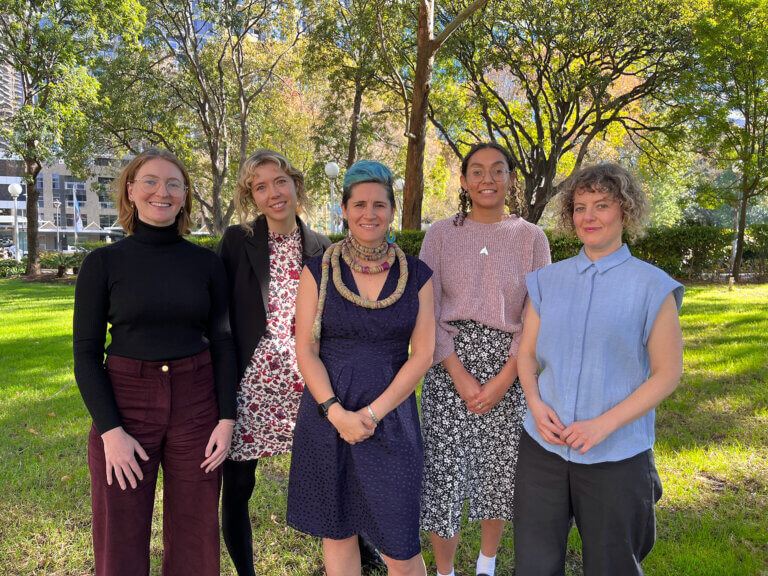
The Justice and Equity Centre is one of Australia’s leading independent law and policy organisations, committed to building a fairer, more equitable society. Through its Homeless Persons’ Legal Service (HPLS) Women’s Service, it supports women facing intersecting challenges across housing, civil law and criminal law.
By addressing these complex issues and driving systemic change through innovative legal advocacy and policy reform, the Justice and Equity Centre is creating lasting social justice and meaningful change for vulnerable women in Sydney and beyond.
Read the story /
Legal advocacy as prevention
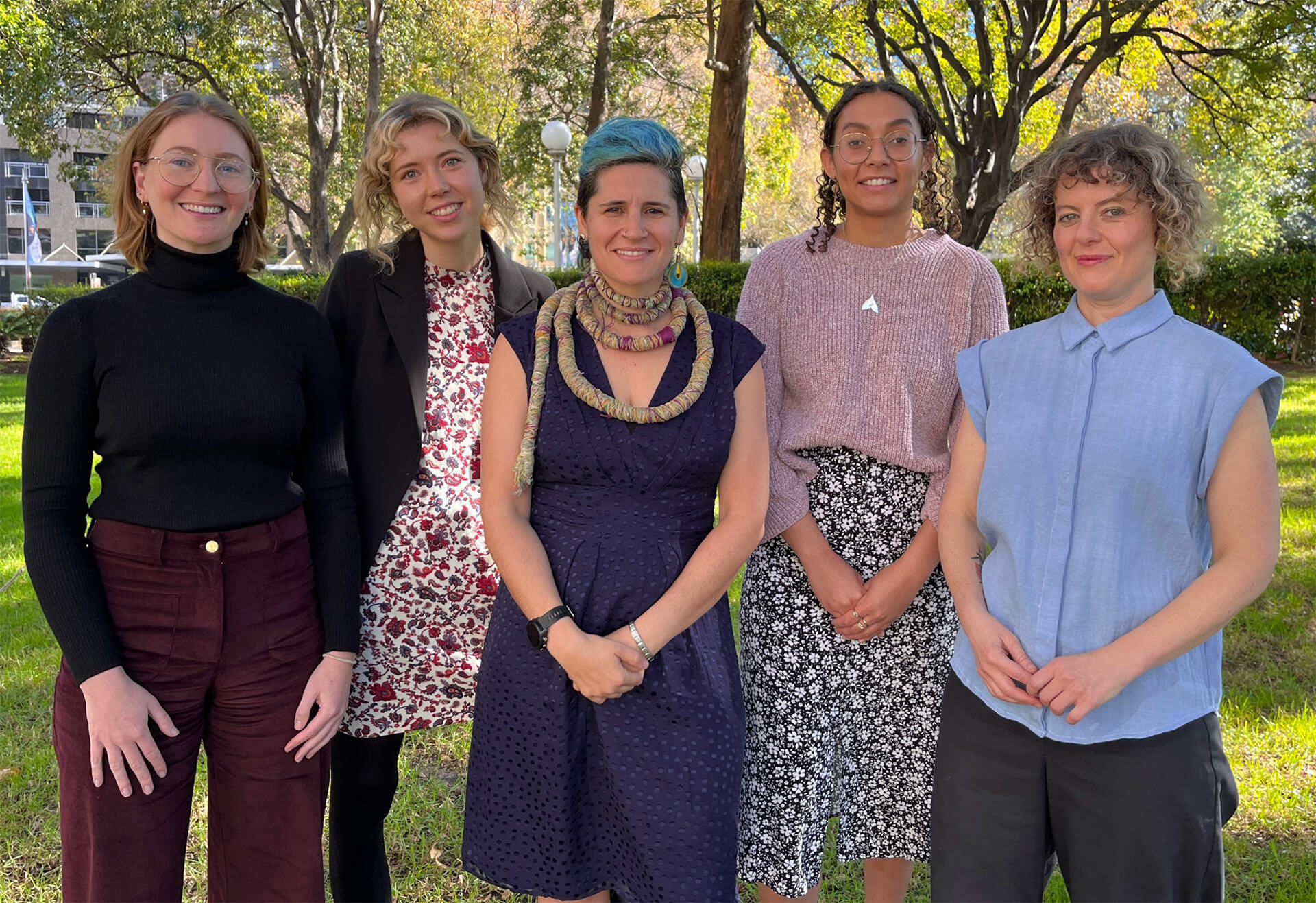
Many women caught in the legal system are there because of violence, homelessness and poverty.
The Justice and Equity Centre’s lawyers work with women whose lives have been destabilised by abuse, eviction and coercive control, helping them navigate complex systems and avoid further harm.
Sara’s story reflects how quickly things can escalate for women experiencing domestic violence. Throughout her five year relationship, she was subjected to violence and controlling behaviour. After separation, these concerns continued. When she sought legal advice regarding a property settlement, her former partner threatened to make a complaint to police, suggesting he had accessed her email. The next day, he lodged a report alleging she had assaulted him 18 months earlier.
When police questioned Sara, she disclosed her history as a victim of violence. A week later she was charged and arrested. Justice and Equity Centre lawyers took on her case, providing evidence that raised questions about the circumstances of the complaint. They also highlighted relevant guidance under the NSW Police Code of Practice for domestic violence incidents. On the day of her hearing, all charges were withdrawn.
Bronte’s experience shows how complex vulnerabilities can compound risk. A young Aboriginal woman living with complex posttraumatic stress disorder, she called police during an incident involving her violent ex-partner. Despite an existing Apprehended Domestic Violence Order protecting her, she was the one arrested and held for 24 hours. Her bail conditions led to homelessness, forcing her to stay in overcrowded accommodation with family. Her mental health declined, and her ex-partner continued to harass her.
Justice and Equity Centre lawyers are representing Bronte to challenge the charge, arguing she was misidentified as a domestic violence perpetrator despite being a victim-survivor. The Justice and Equity Centre’s community caseworker also connected her to mental health support, safe emergency housing and an Emergency Violence Payment. With ongoing help, Bronte is now safely housed in social housing.
Together, their experiences show how early, trauma informed legal support can help interrupt cycles of abuse, homelessness and misidentification that often lead to criminalisation.
Many women caught in the legal system are themselves survivors of violence and poverty. The Justice and Equity Centre provides dedicated, trauma-informed legal representation that helps divert women from custody and connect them with housing, health and social support. By addressing the root causes of criminalisation, the service is reducing reoffending and opening safer pathways back into the community.
Delivering trauma-informed support for women in crisis

Christina Kasavetis, a caseworker at the Women’s Service, works closely with women facing domestic violence and unsafe living conditions, helping to secure safe housing and address threats to tenancy.
The Women’s Service has been critical in reducing stress, improving wellbeing, and building client confidence. Christina’s trauma-informed care complements the work of the legal team. She provides non-legal assistance, referrals, and emotional care. Additional interventions such as mental health referrals and safety planning further enable women to navigate complex housing and legal systems, ensuring lasting social impact.